Central Taipei.
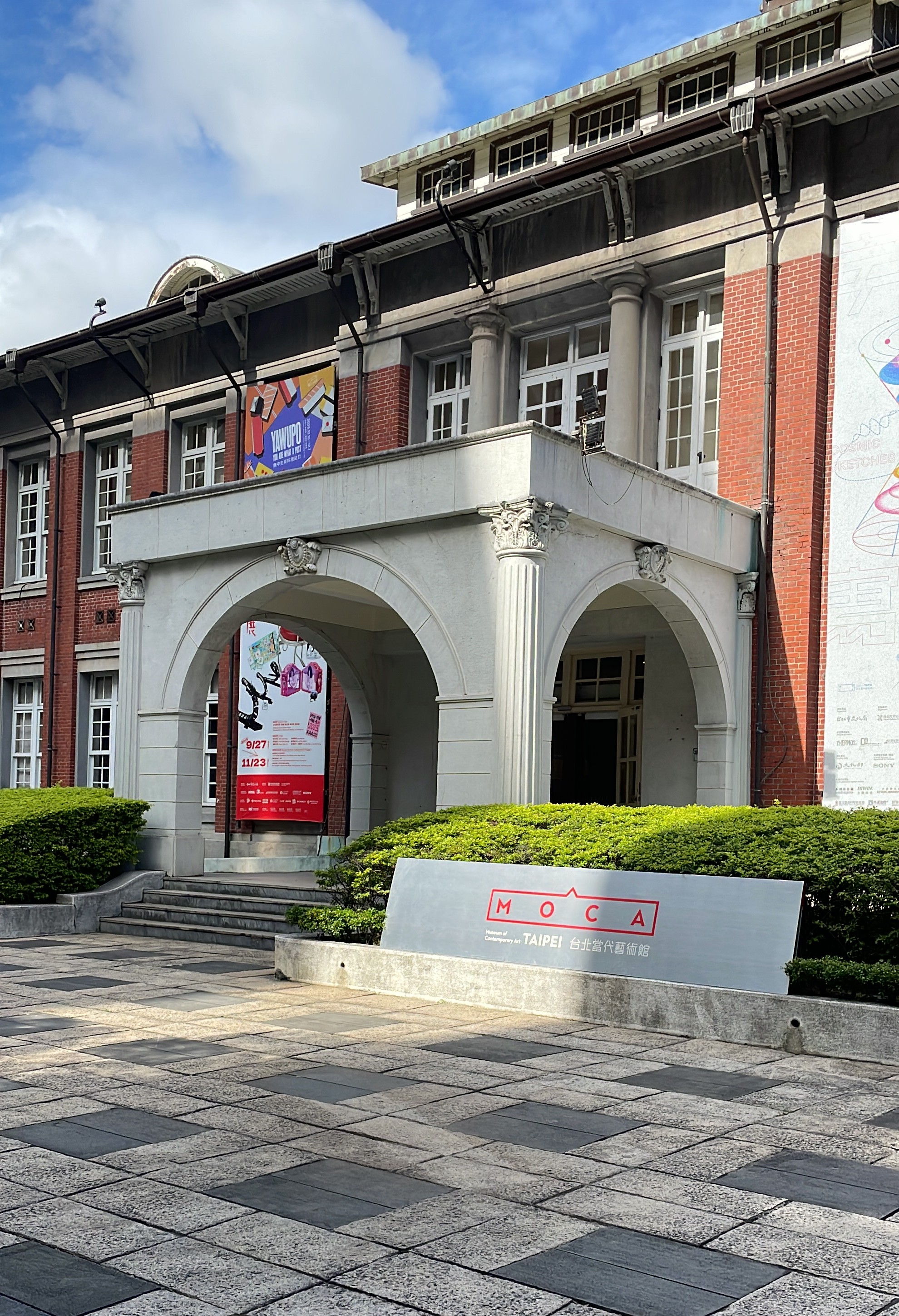
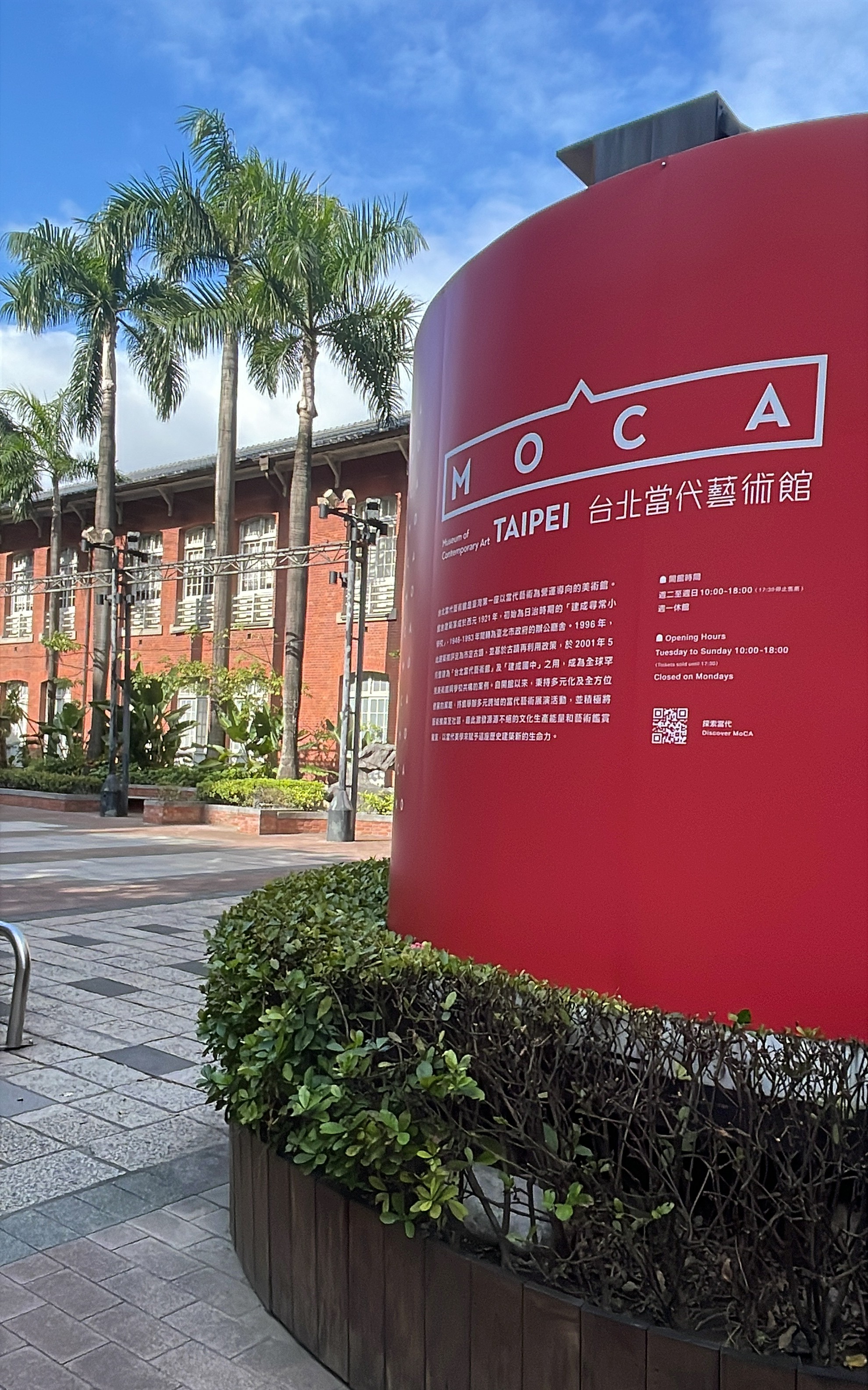
A red brick building.
Arched entrance. White horizontal bands. Two storeys.
Built in 1920 as a Japanese colonial elementary school.
Used as Taipei City Hall for forty years.
Opened as a contemporary art museum in 2001.
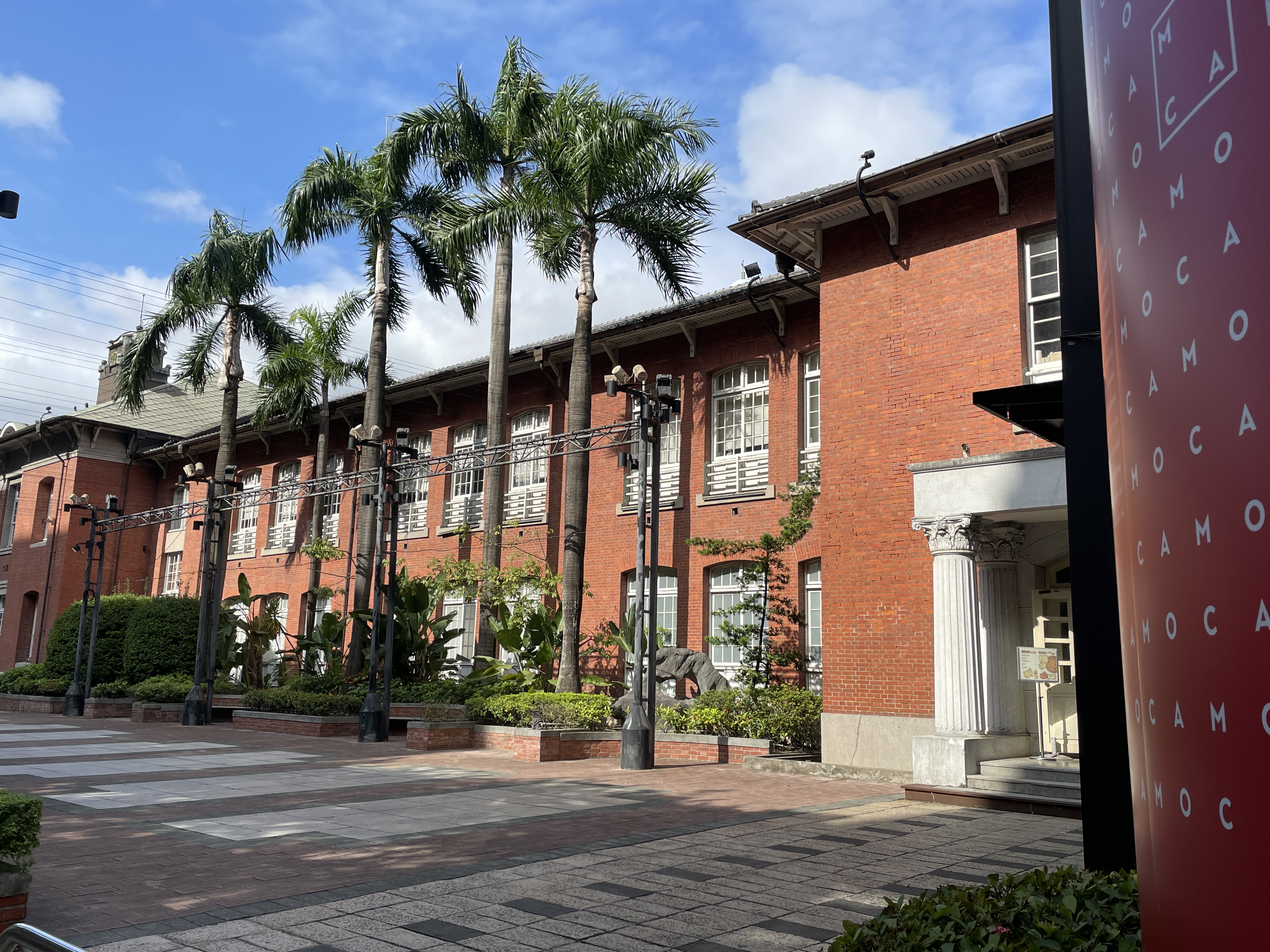
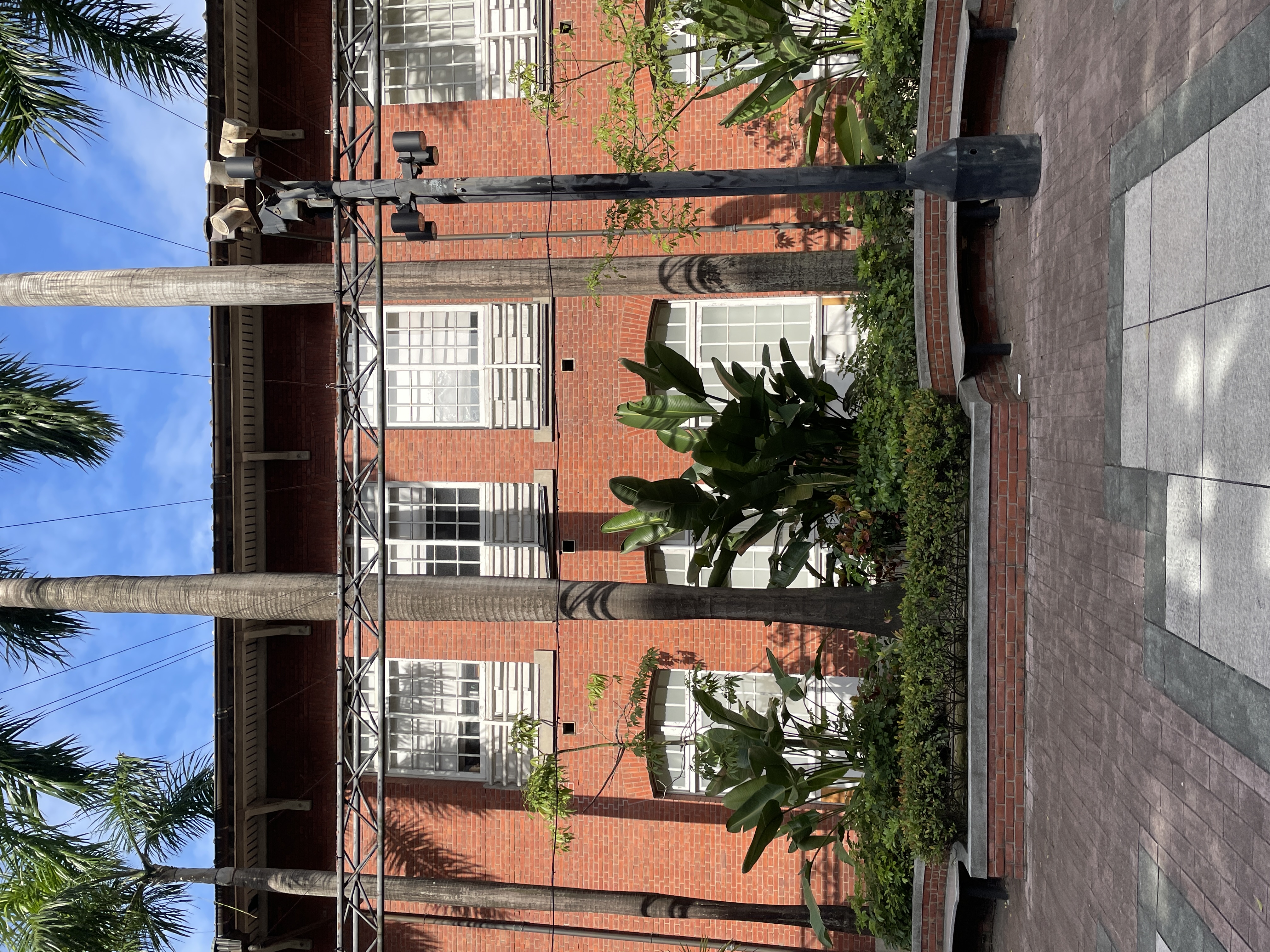
The exterior didn't change.
The red brick stayed.
The arches stayed.
Some things hold for a hundred years.
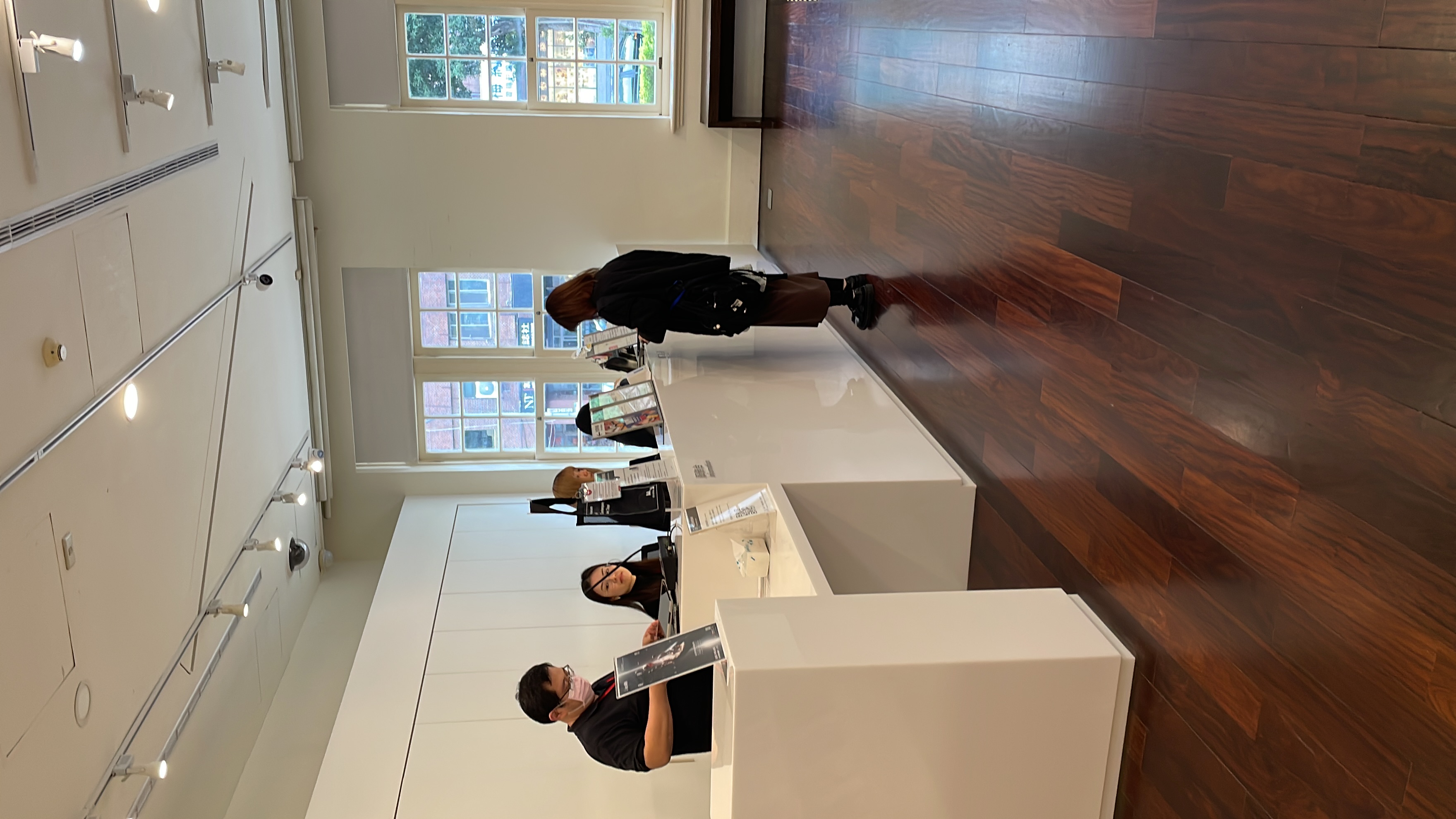
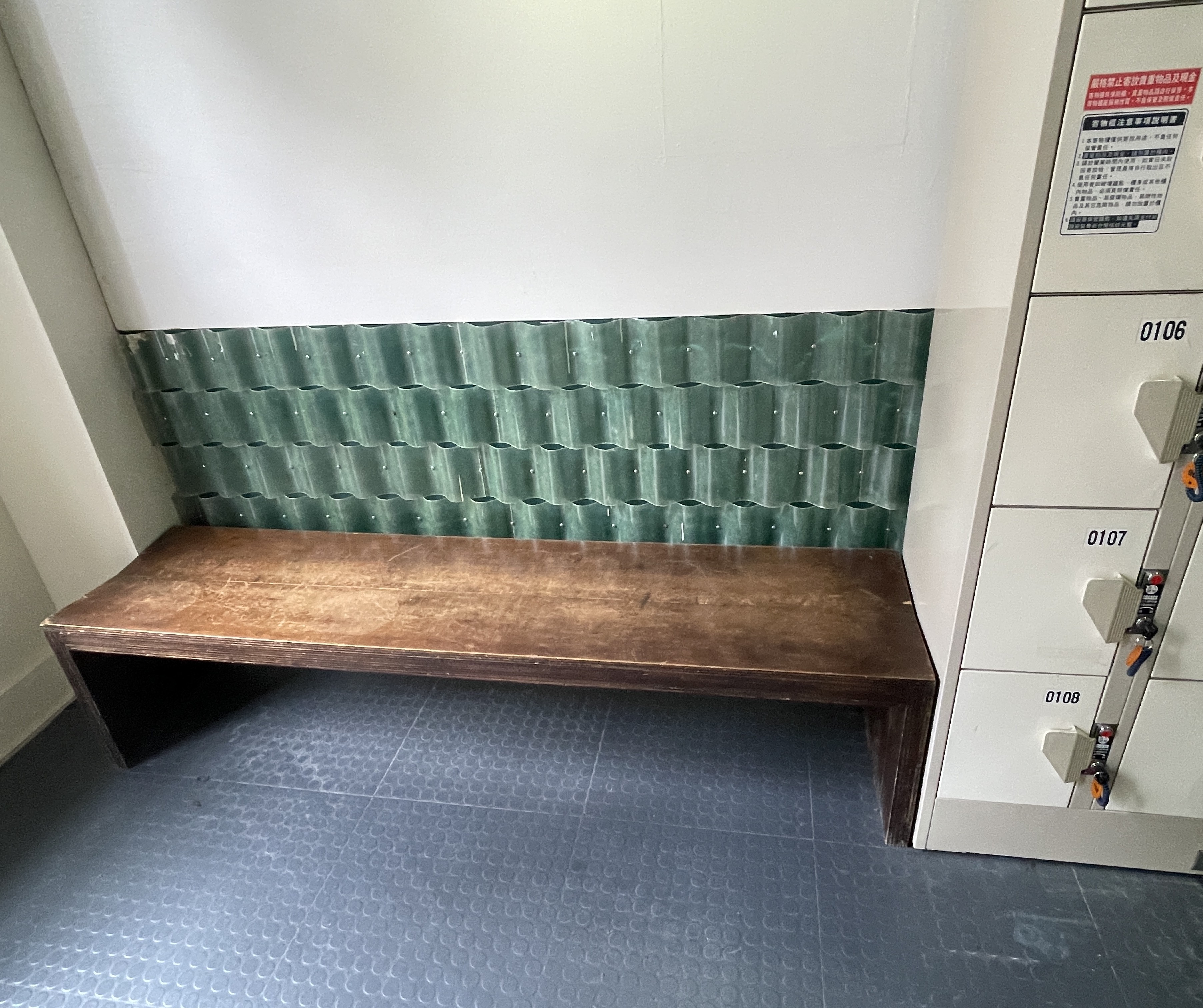
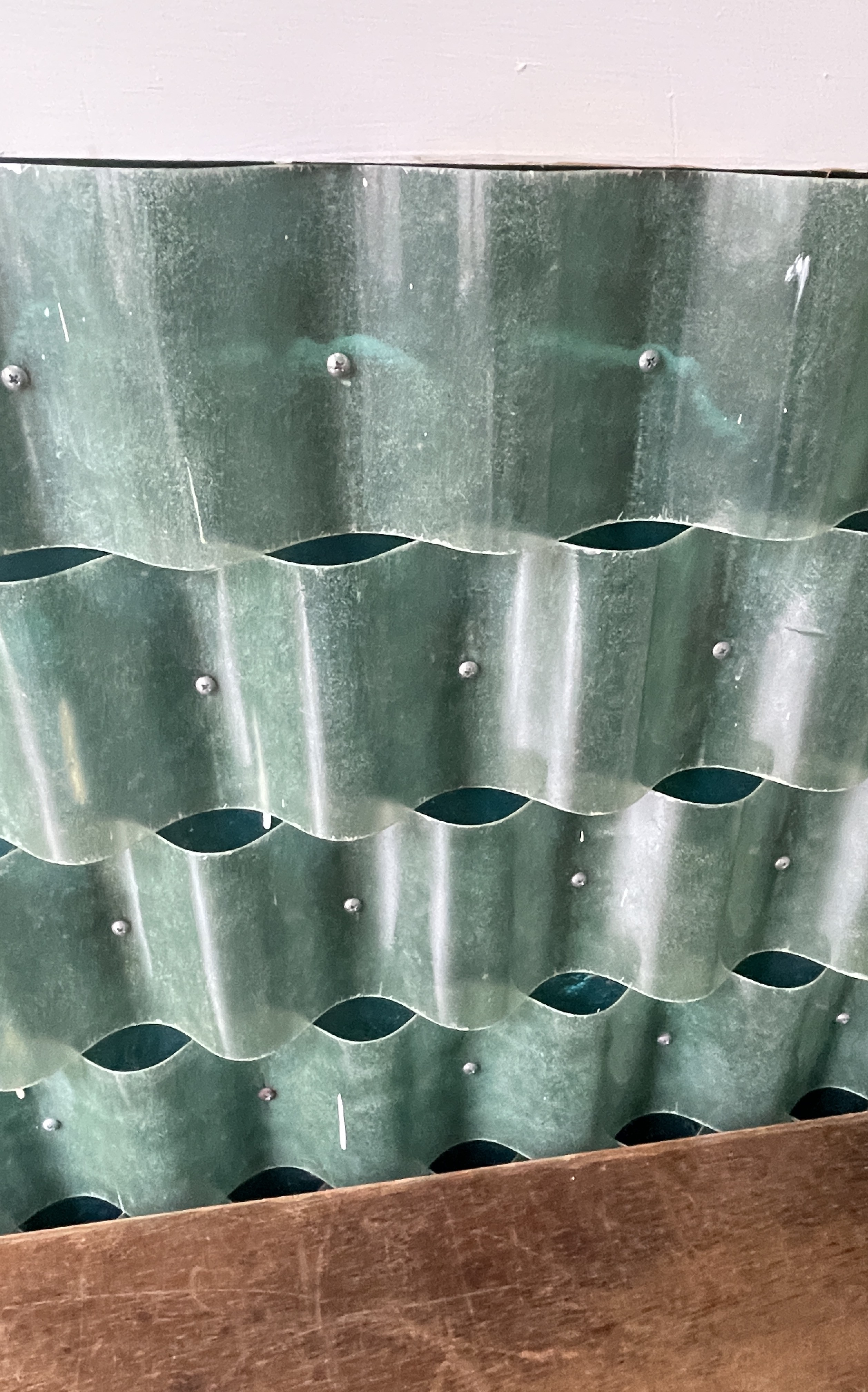
Inside, a corridor begins.
Arched ceiling. Brick floor. Rooms lining both sides.
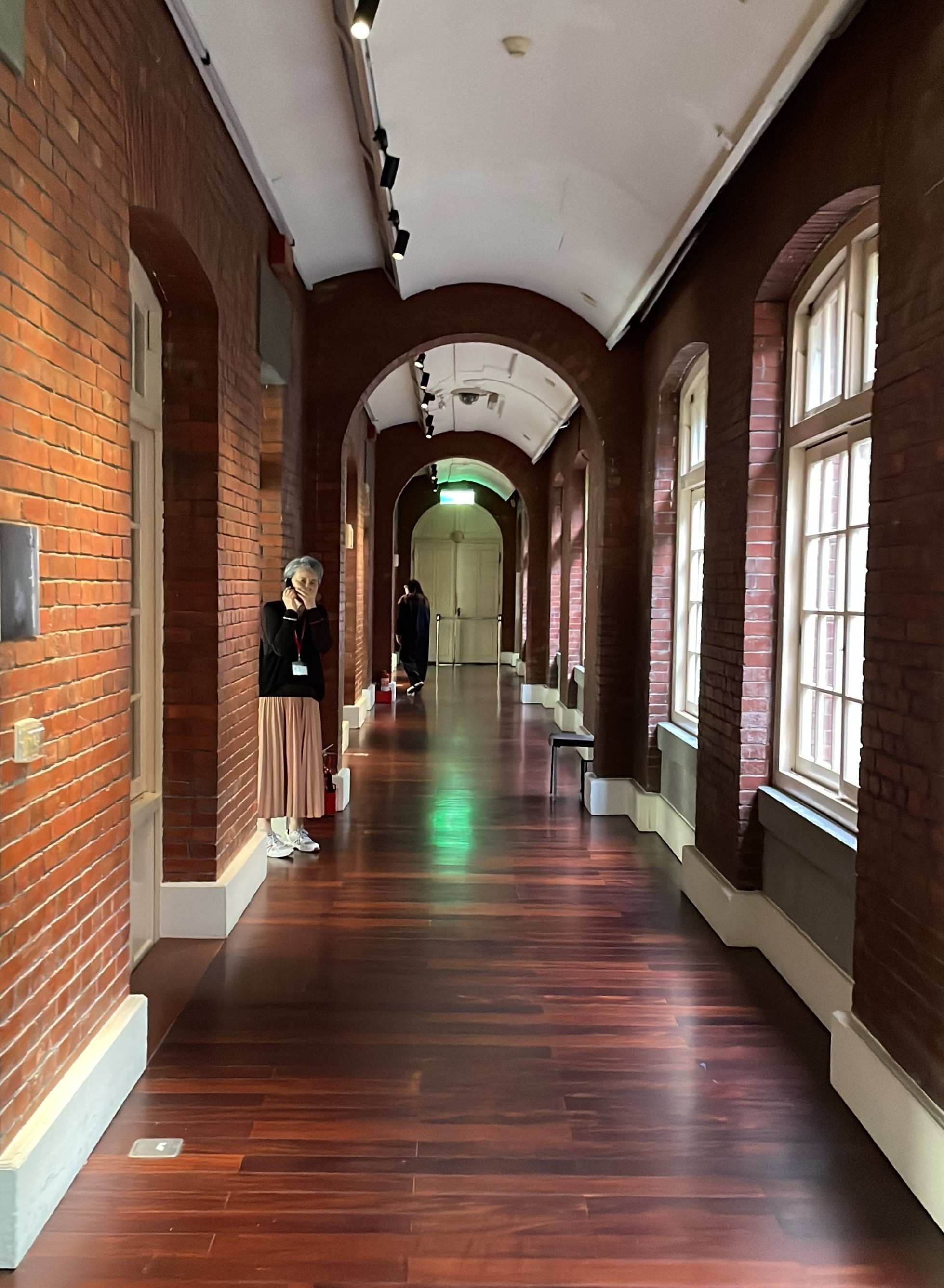
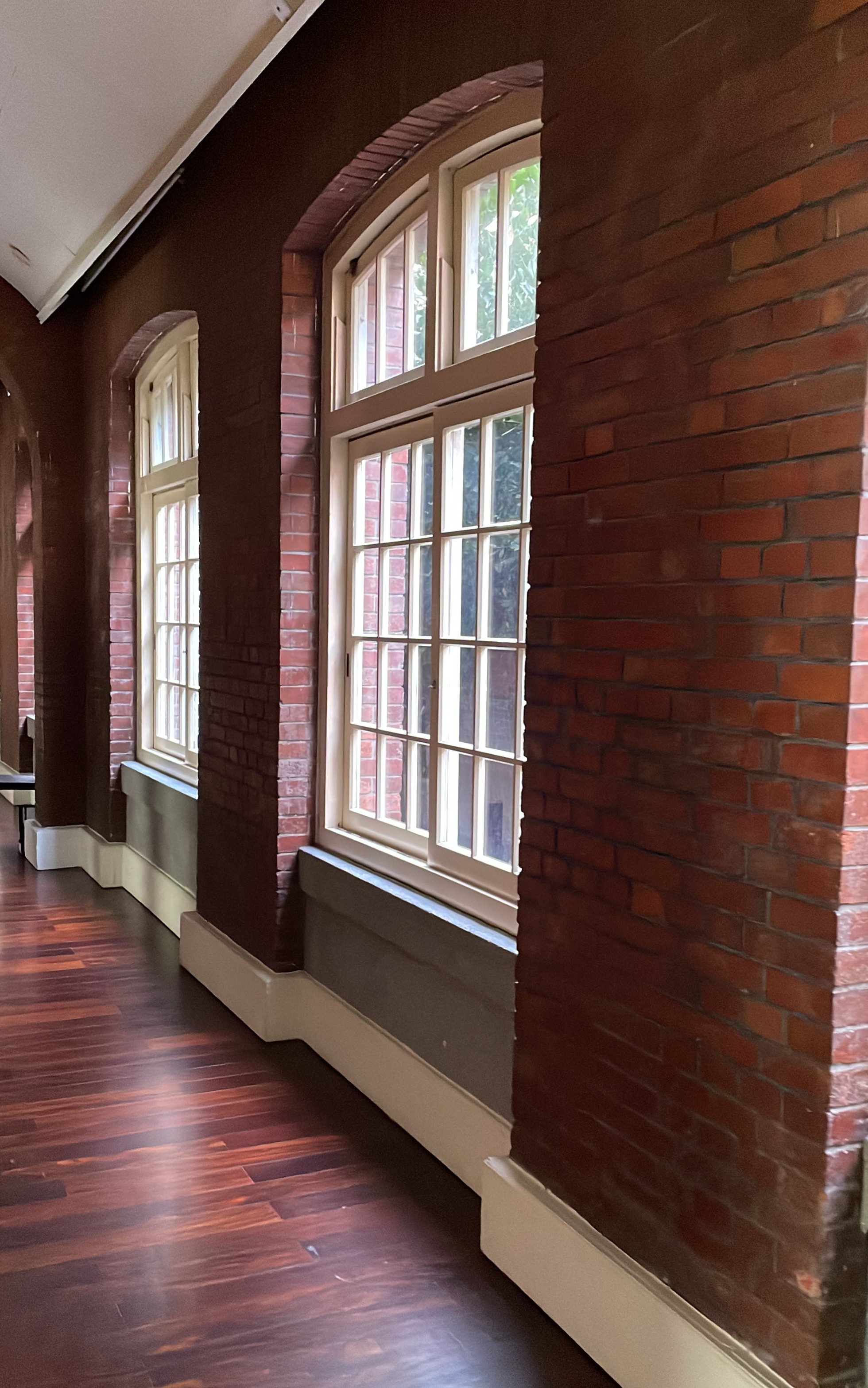
The original classroom structure is intact.
Classrooms became galleries.
Corridors became viewing paths.
High ceilings accommodate large-scale installation.
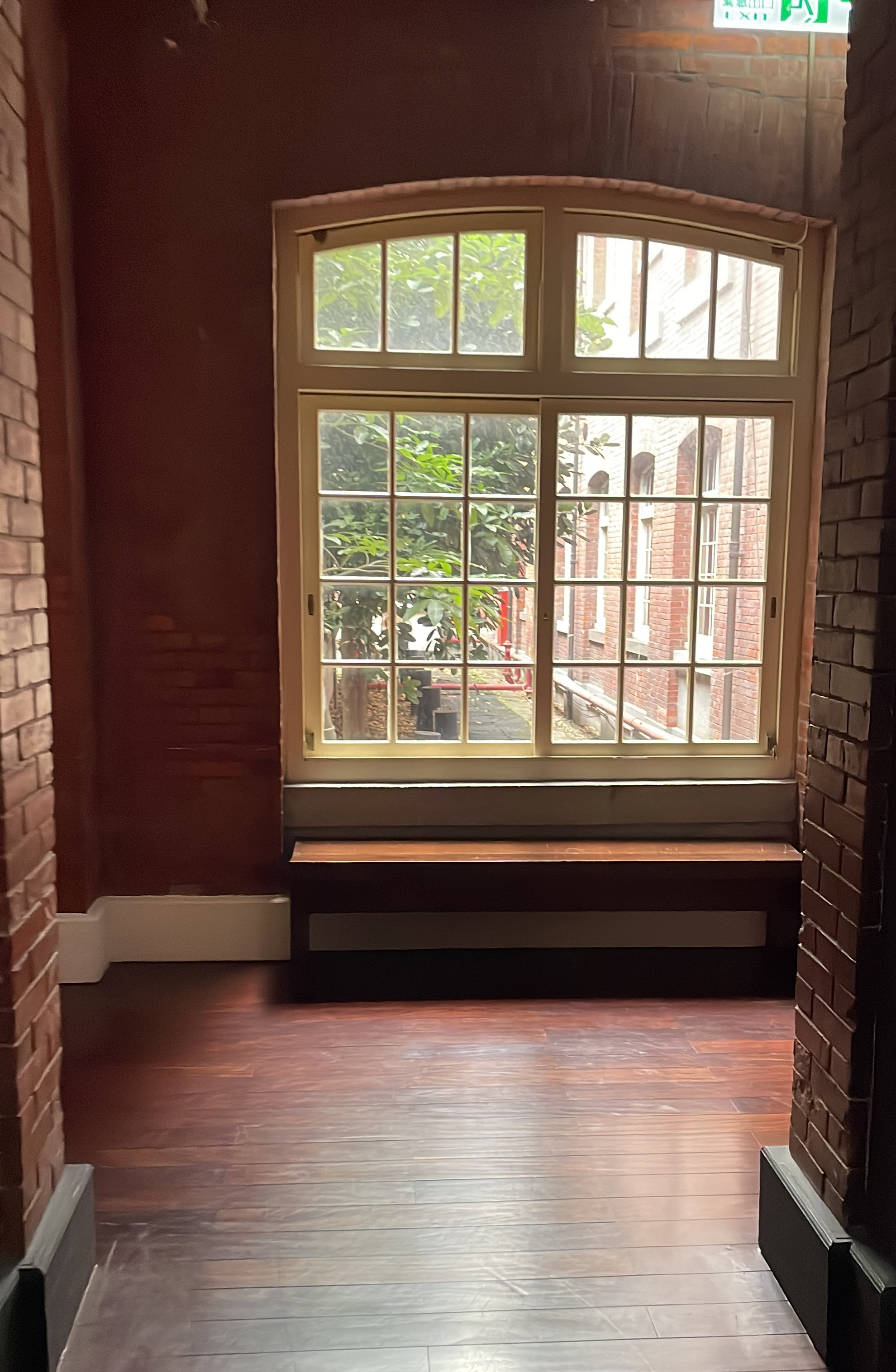
Large windows bring in natural light.
Not by design intention — by structural accident.
The building was already exhibition-ready before it became a museum.
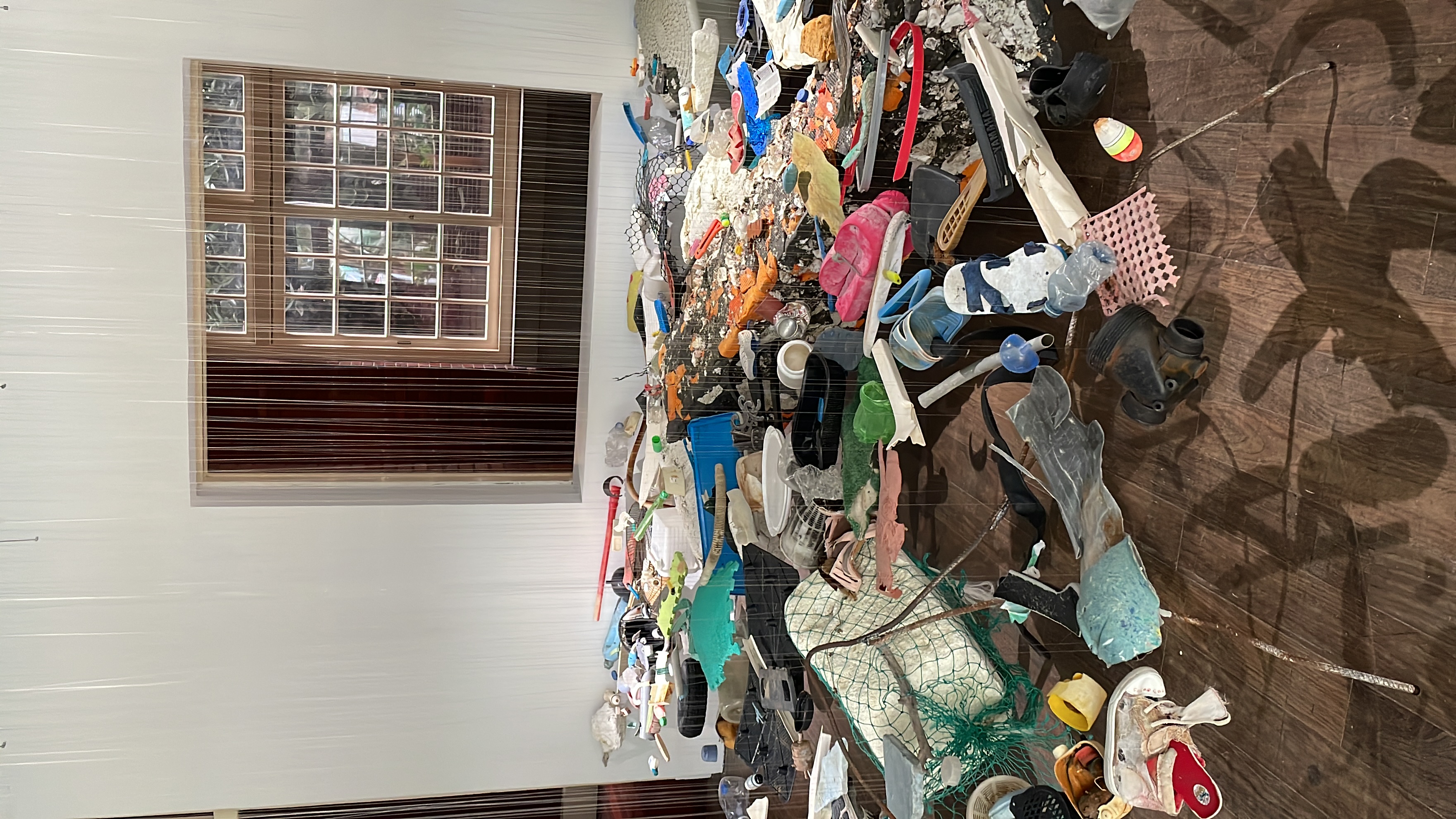
High ceiling. Room-scale work.
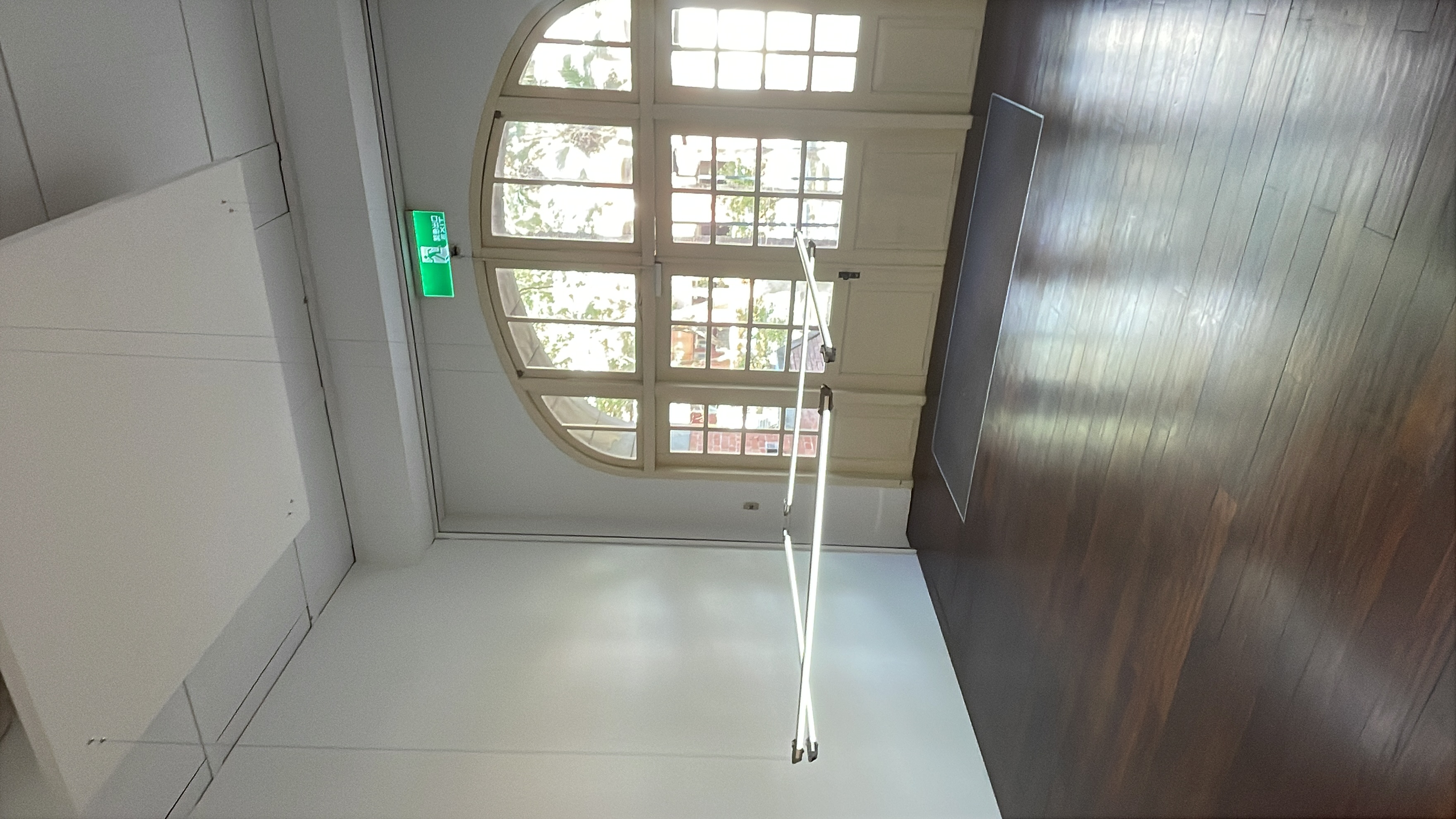
Neutrality is impossible.
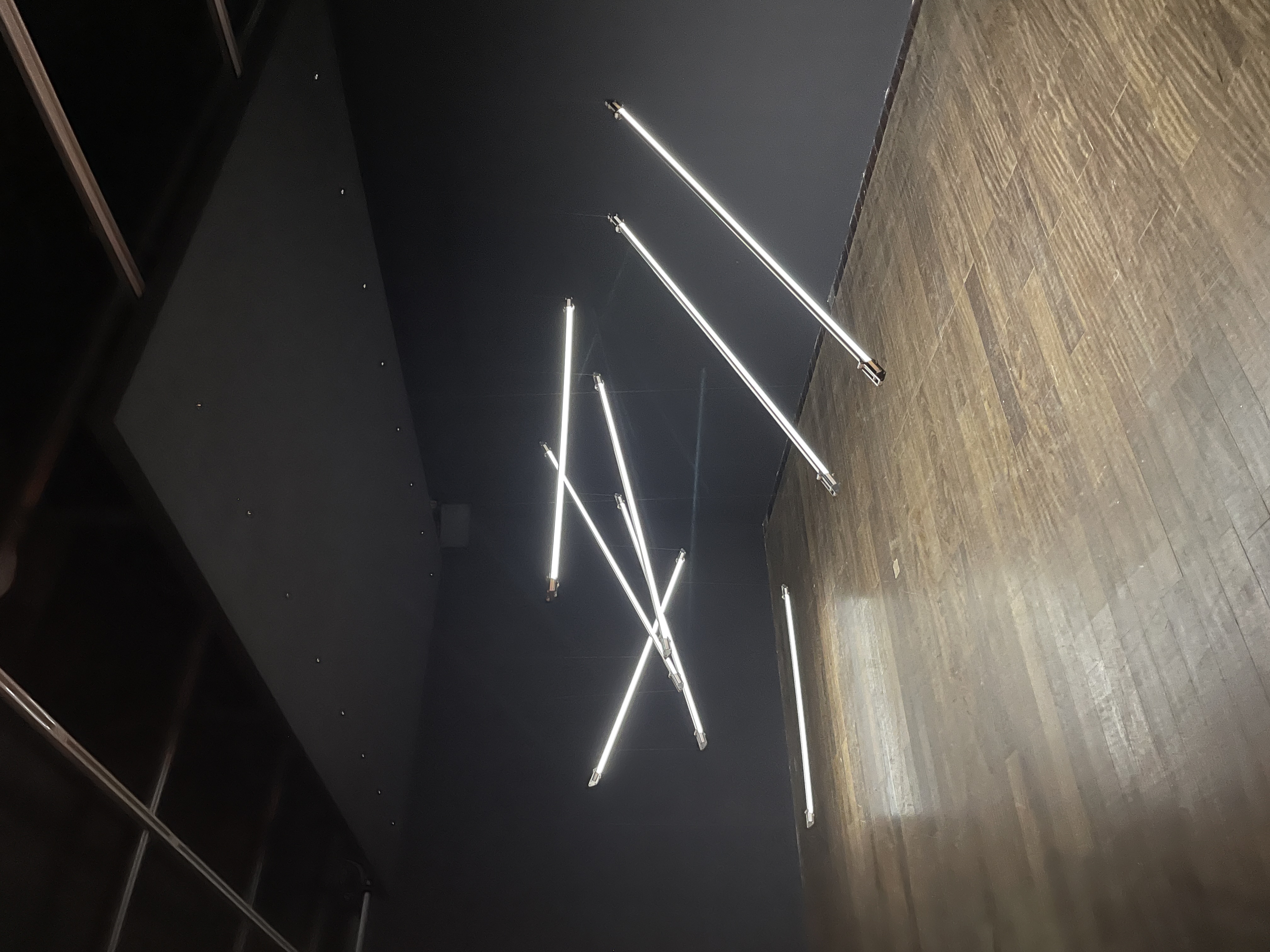
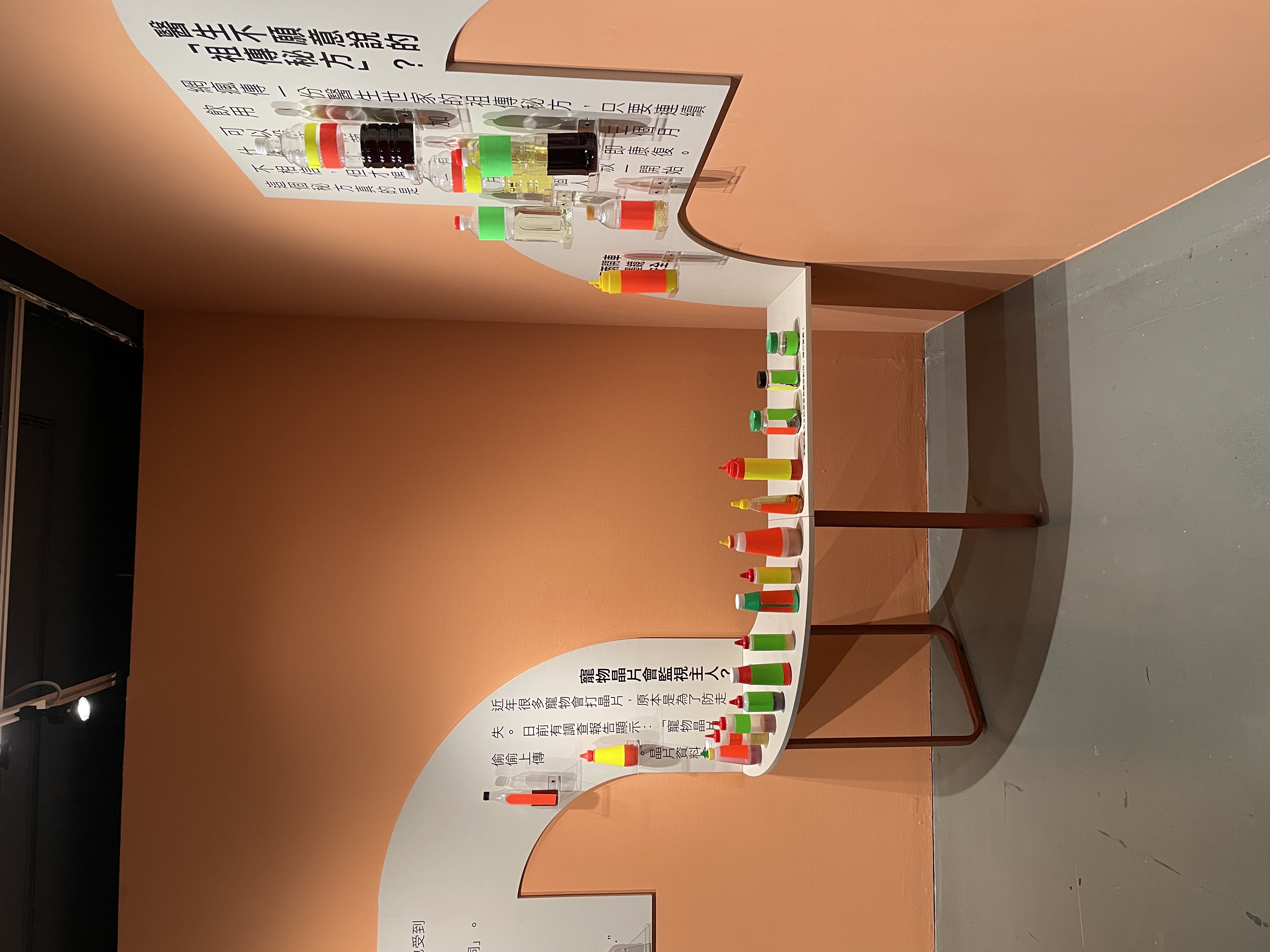
Each exhibition transforms the rooms completely.
One room becomes immersive video.
The next, large-scale sculpture.
The shell stays constant. The content changes every time.
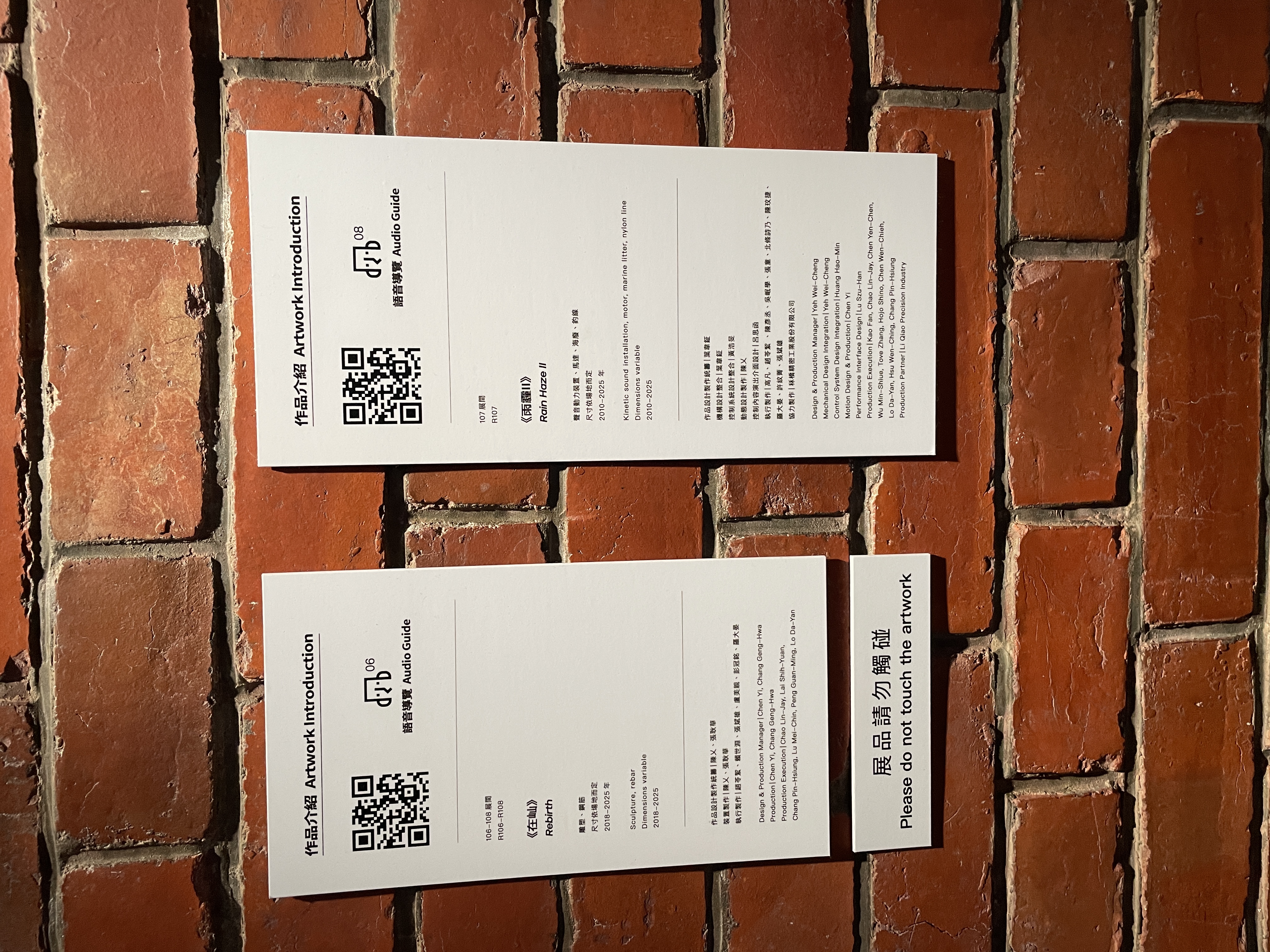
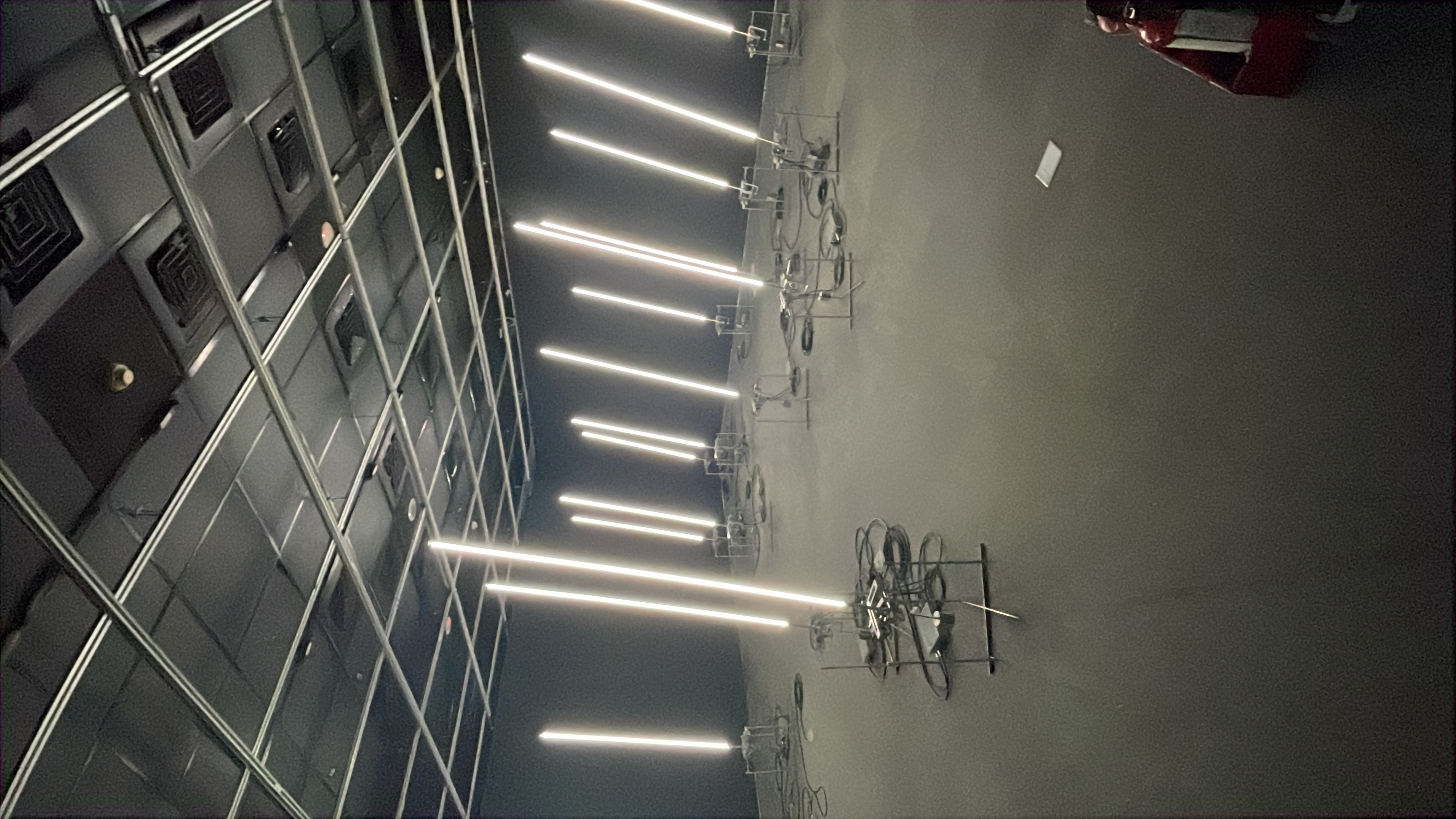
Most contemporary art museums are invisible. That's the brief.
White walls. Controlled lighting. Neutral surfaces.
The architecture recedes so the work can speak.
MoCA Taipei runs the opposite logic.
The red brick is exposed.
The arched window frames are exposed.
The timber ceiling structure is exposed.
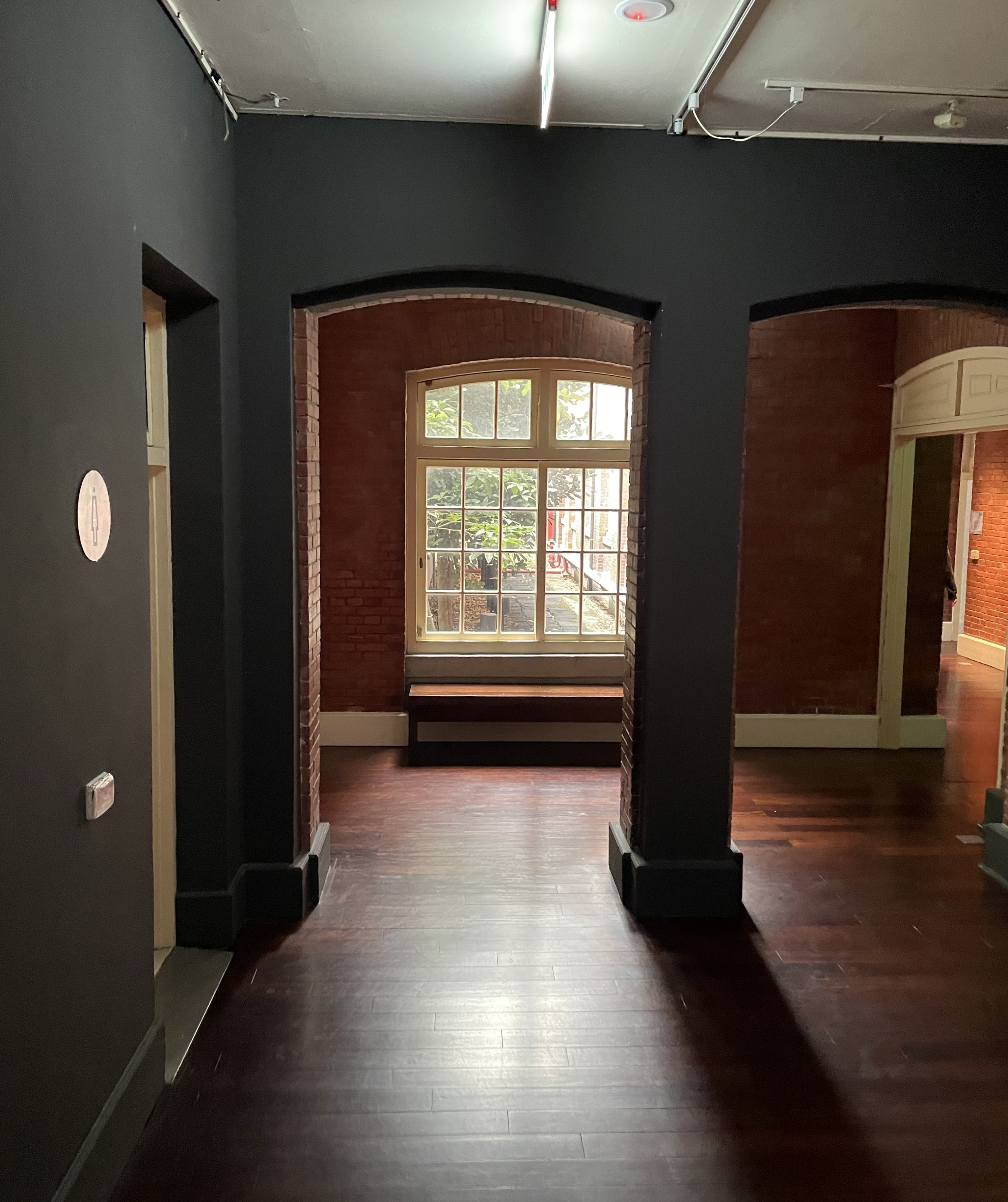
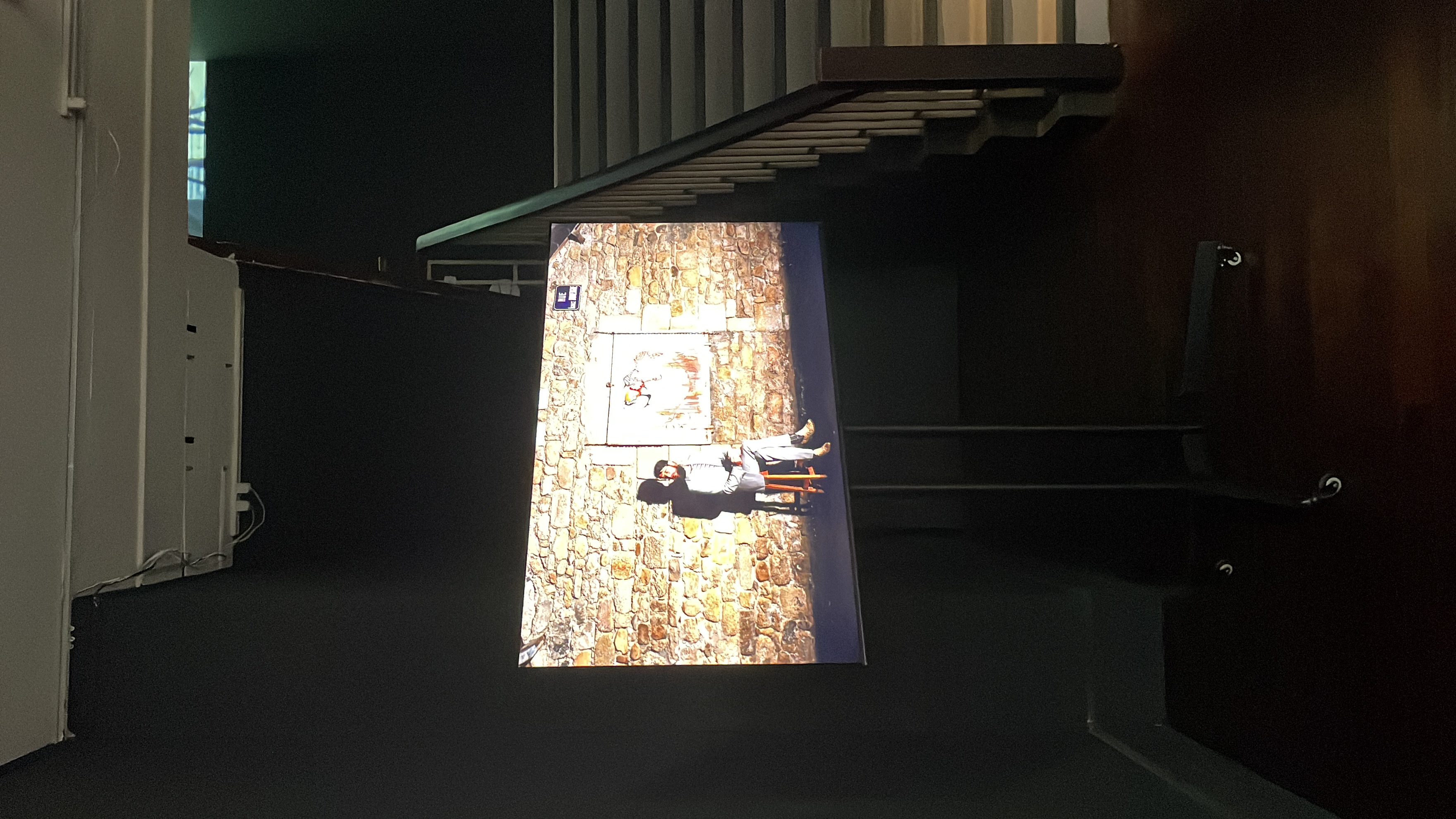
The space says: I am also here.
Colonial school. City hall. Contemporary art museum.
The building's accumulated history is already a statement.
Every exhibition arrives pre-loaded with context.
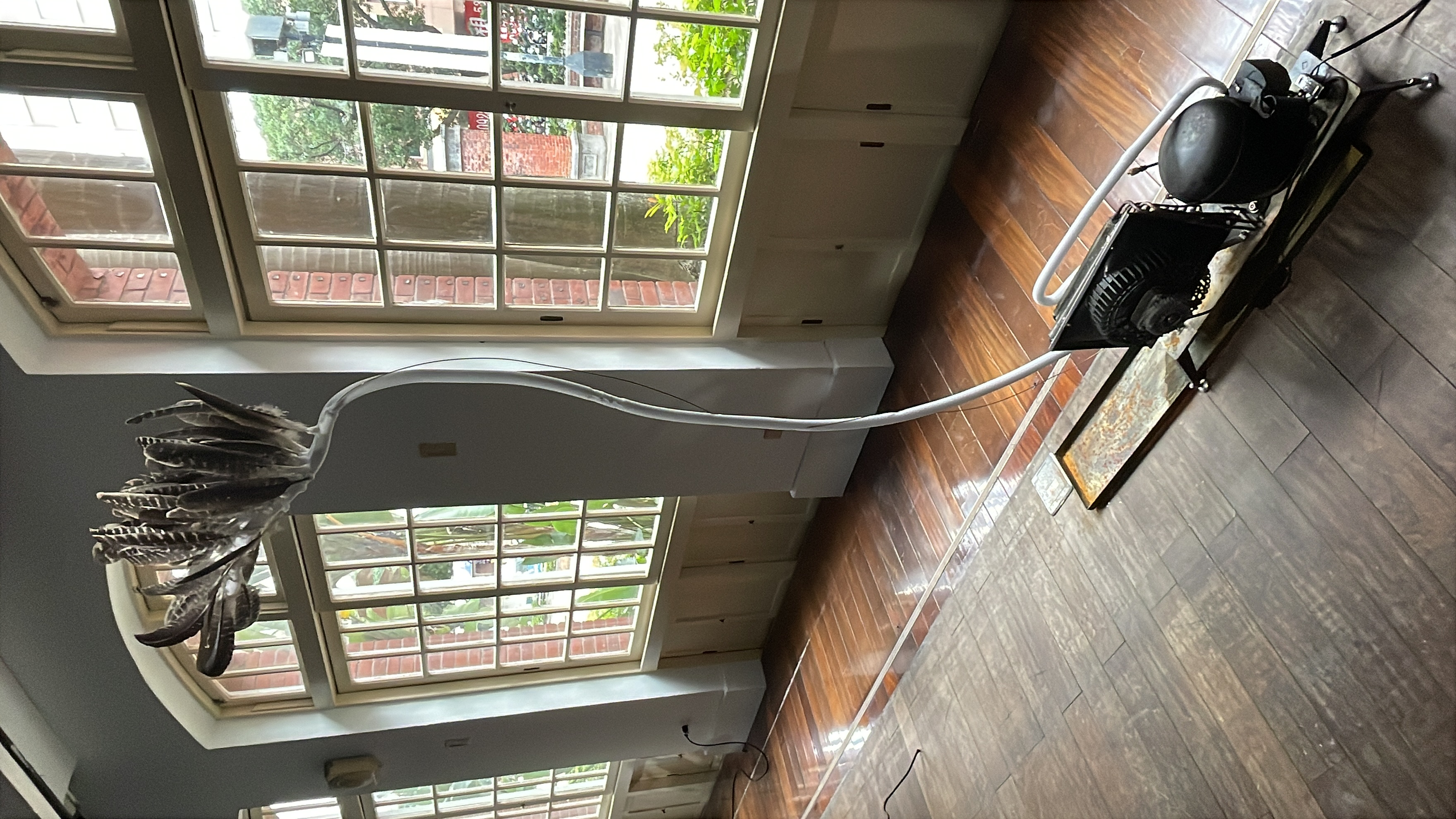
A wire-constructed tree stands in front of a hundred-year-old arched window.
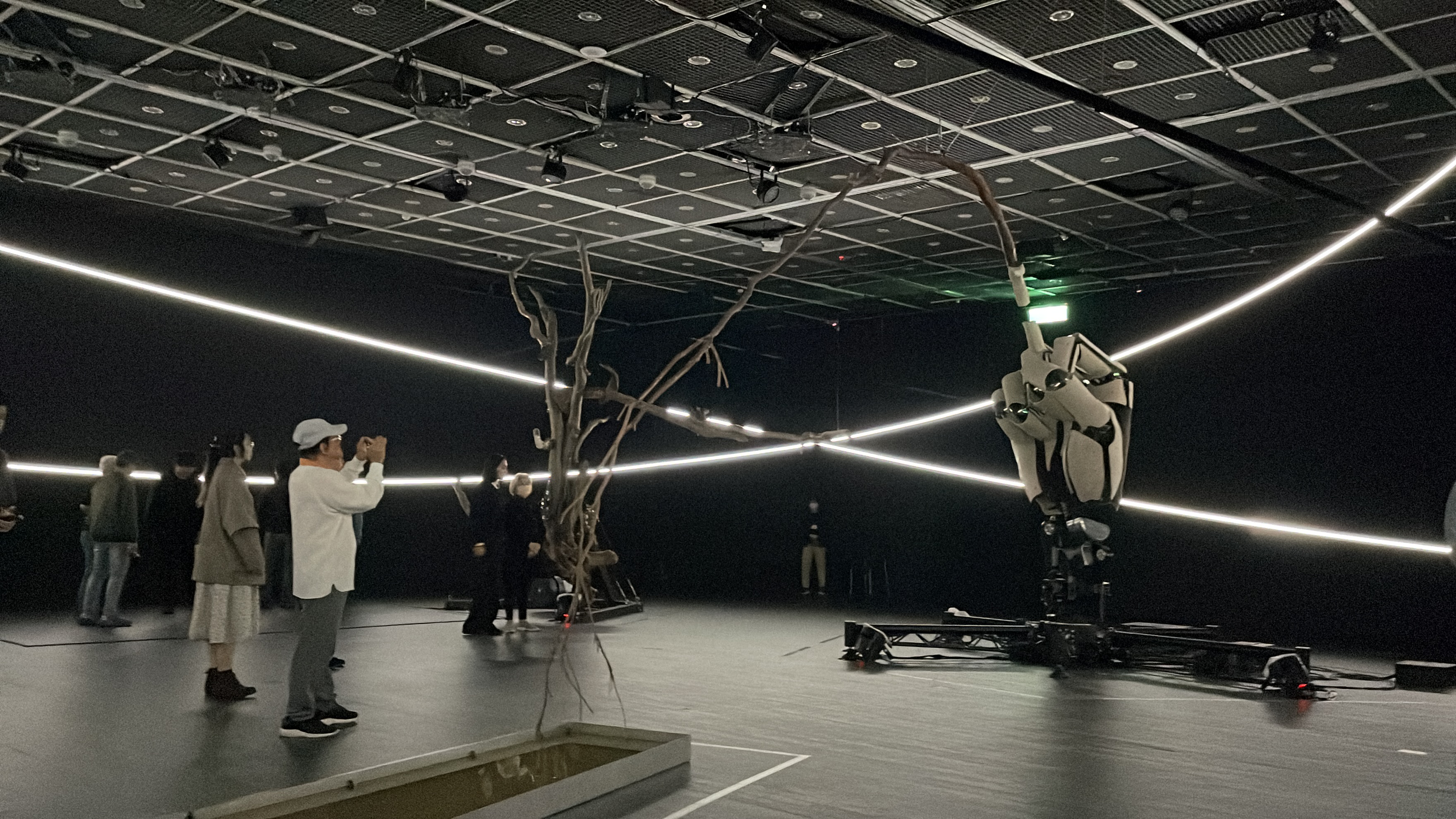
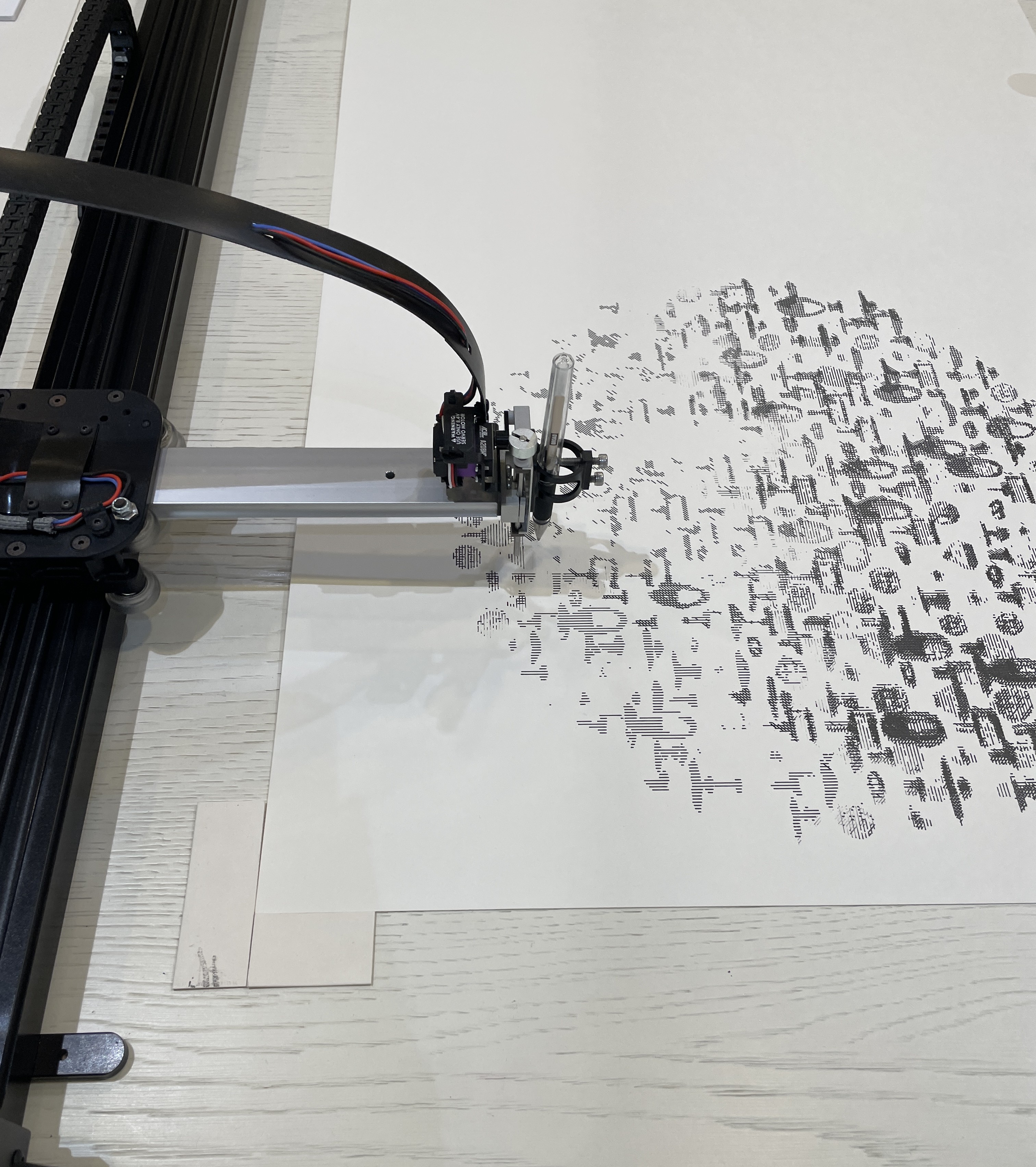
A robotic arm moves inside a brick classroom.
Paper figures hang beneath a timber ceiling.
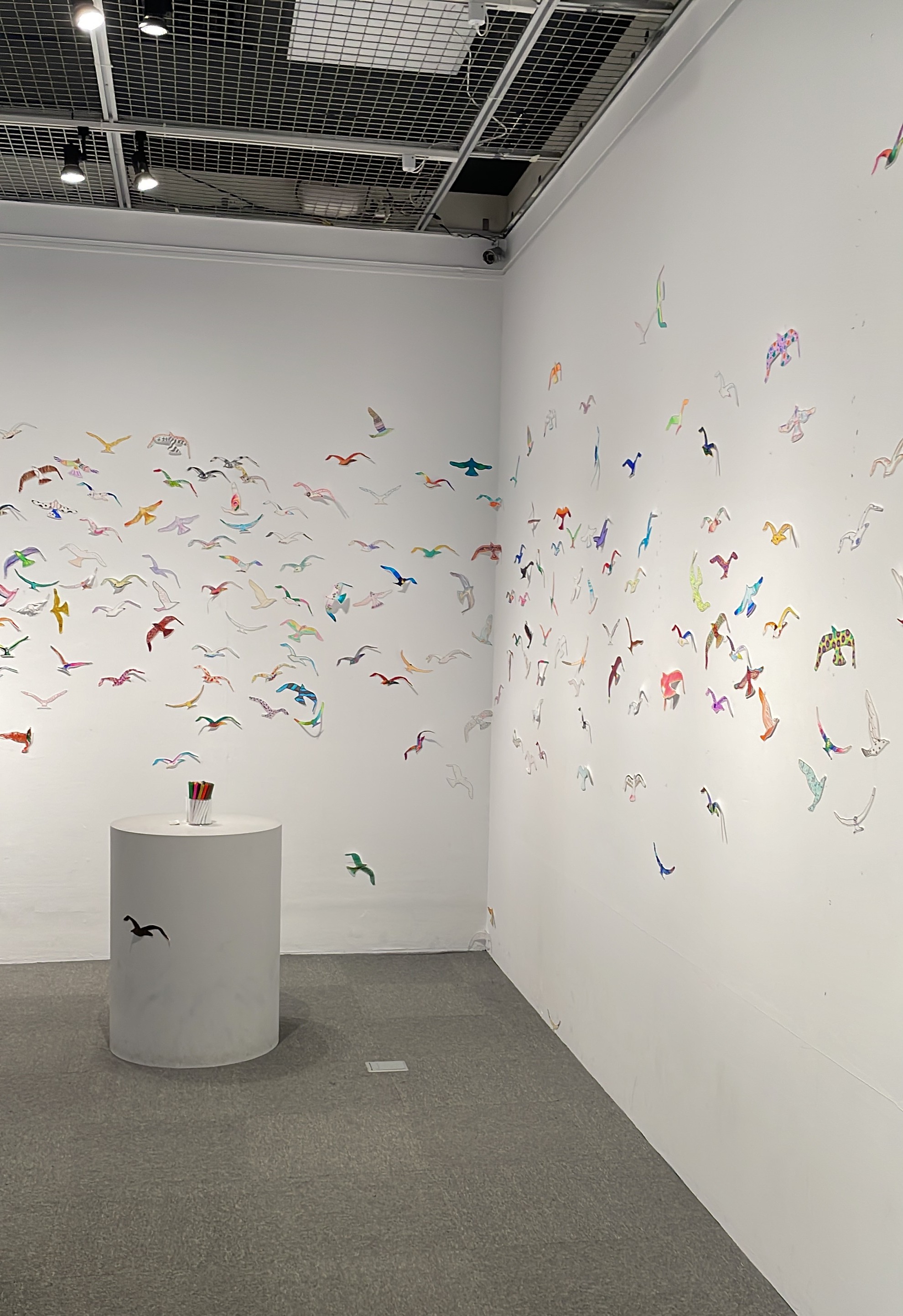
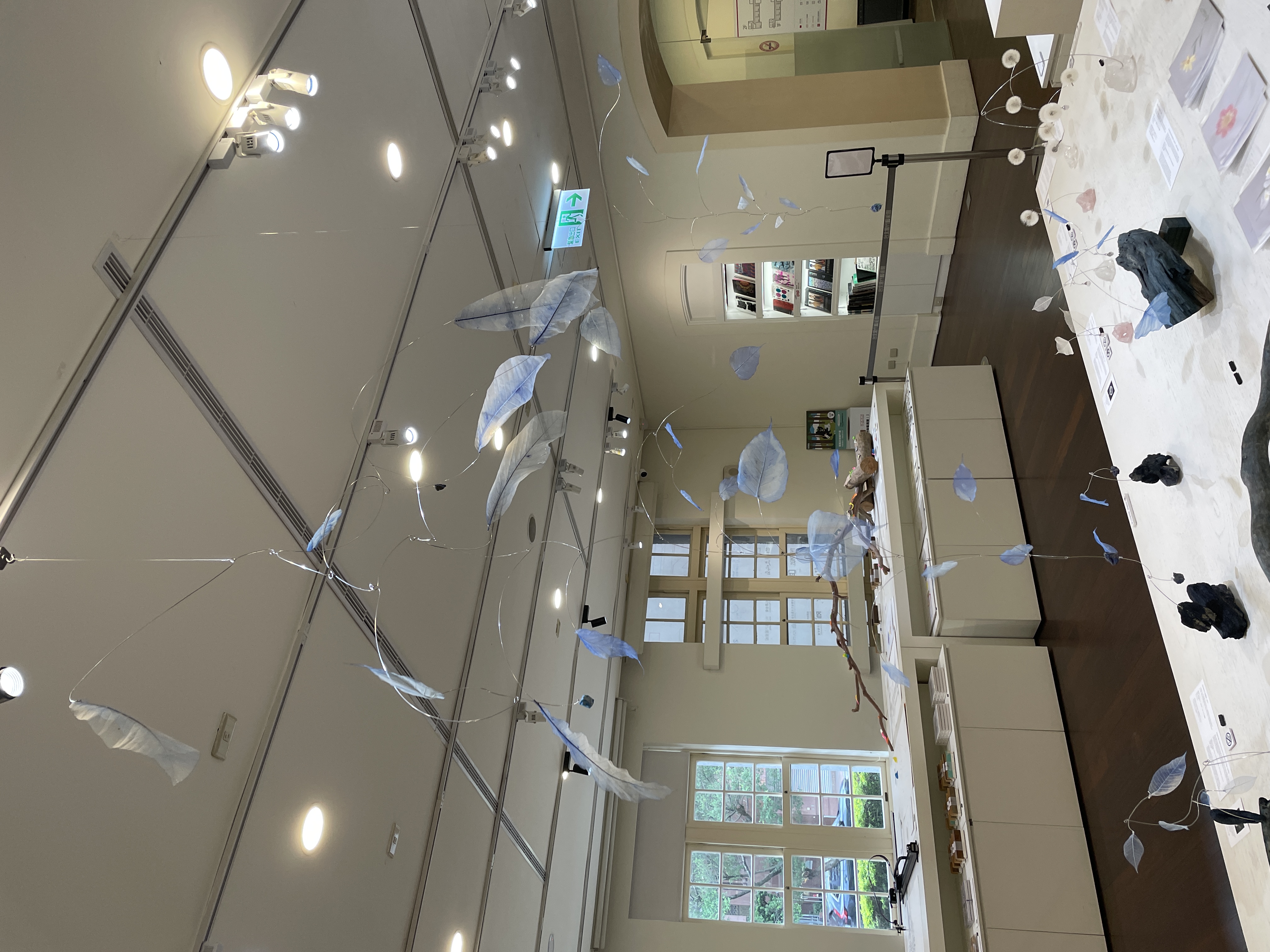
These pairings aren't incidental.
When old and new occupy the same space,
each makes the other legible in a different way.
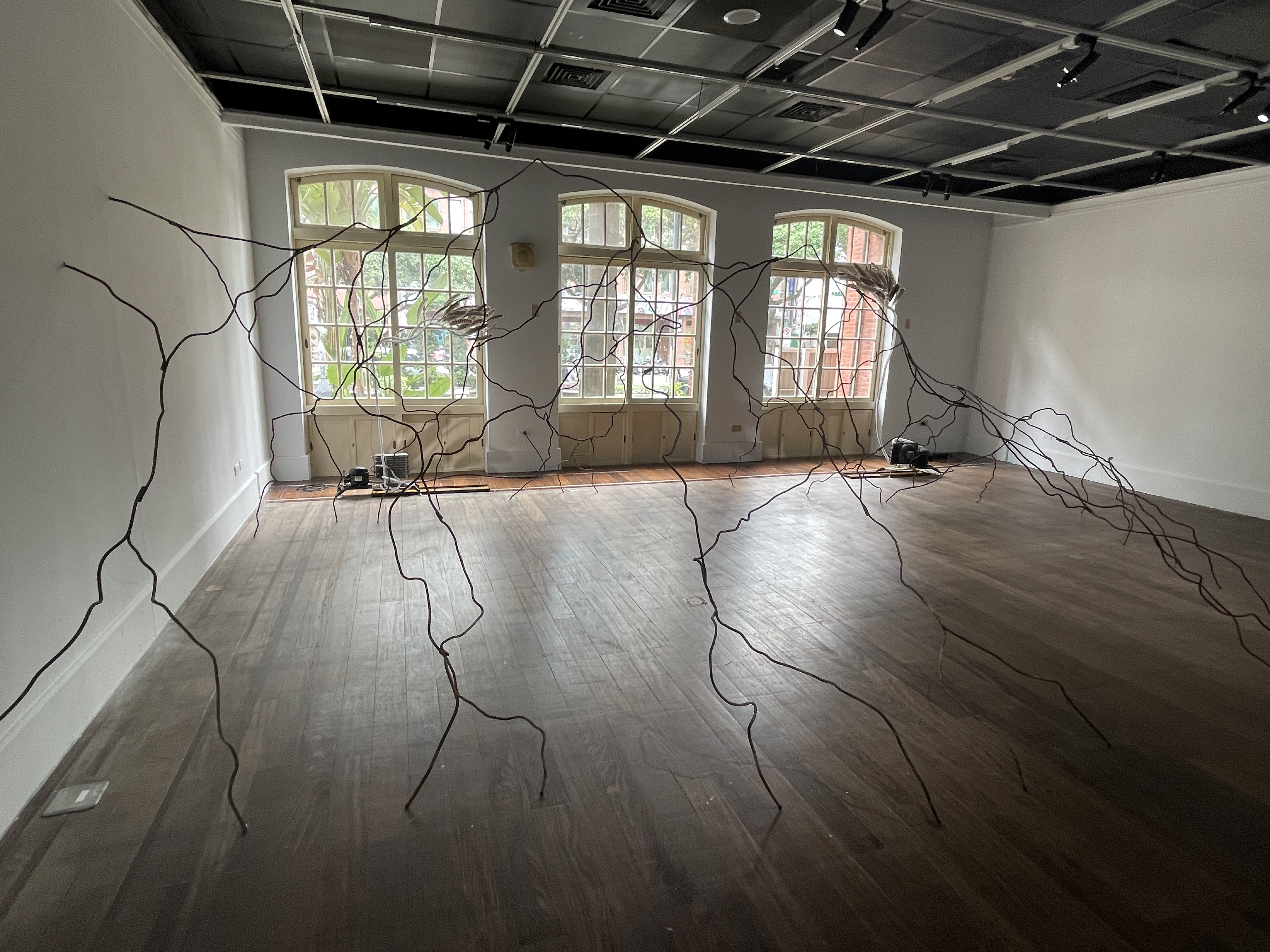
In front of a hundred-year-old arch, it becomes a question.
What time is this work standing on?
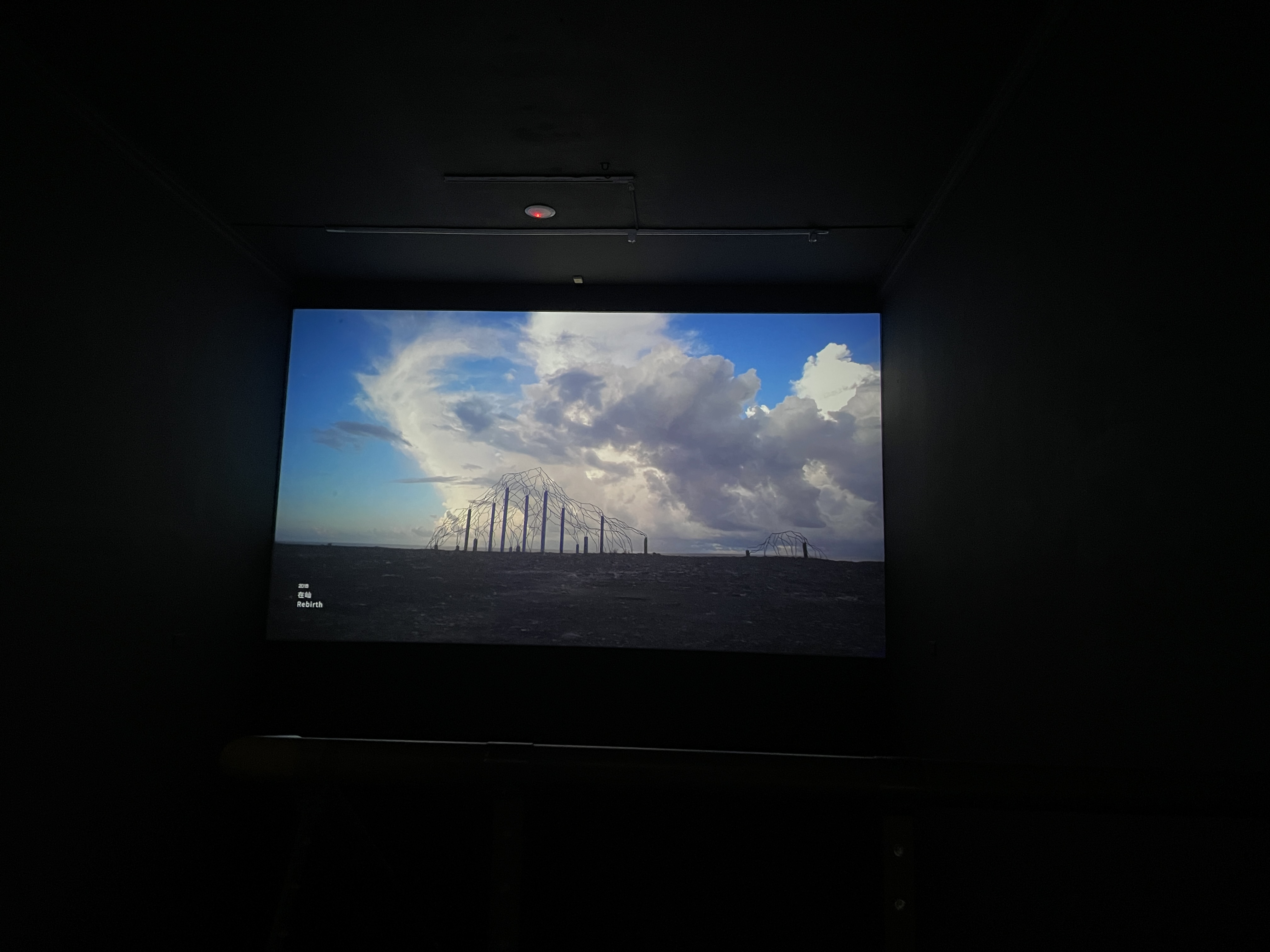
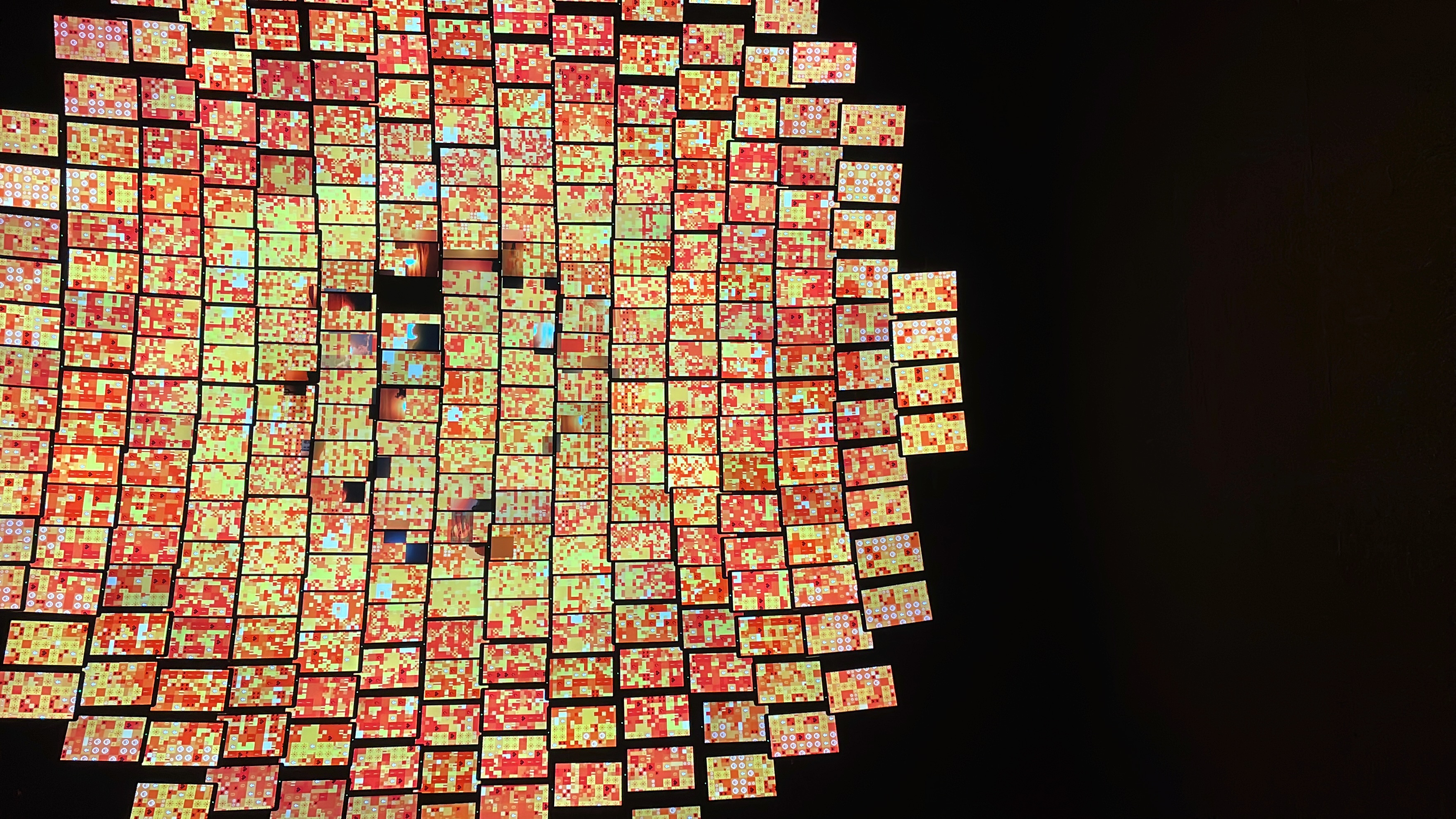
Exhibitions rotate.
Works arrive, then leave.
New ones take their place.
But this building's grammar doesn't change.
The arches stay.
The brick stays.
The corridors stay.
The windows stay.
That grammar receives every new work.
And every work placed inside this context lands a little deeper.
The oldest layer makes the newest layer mean more.
That's the most specific condition MoCA Taipei has as a museum —
and the one that can't be replicated anywhere else.