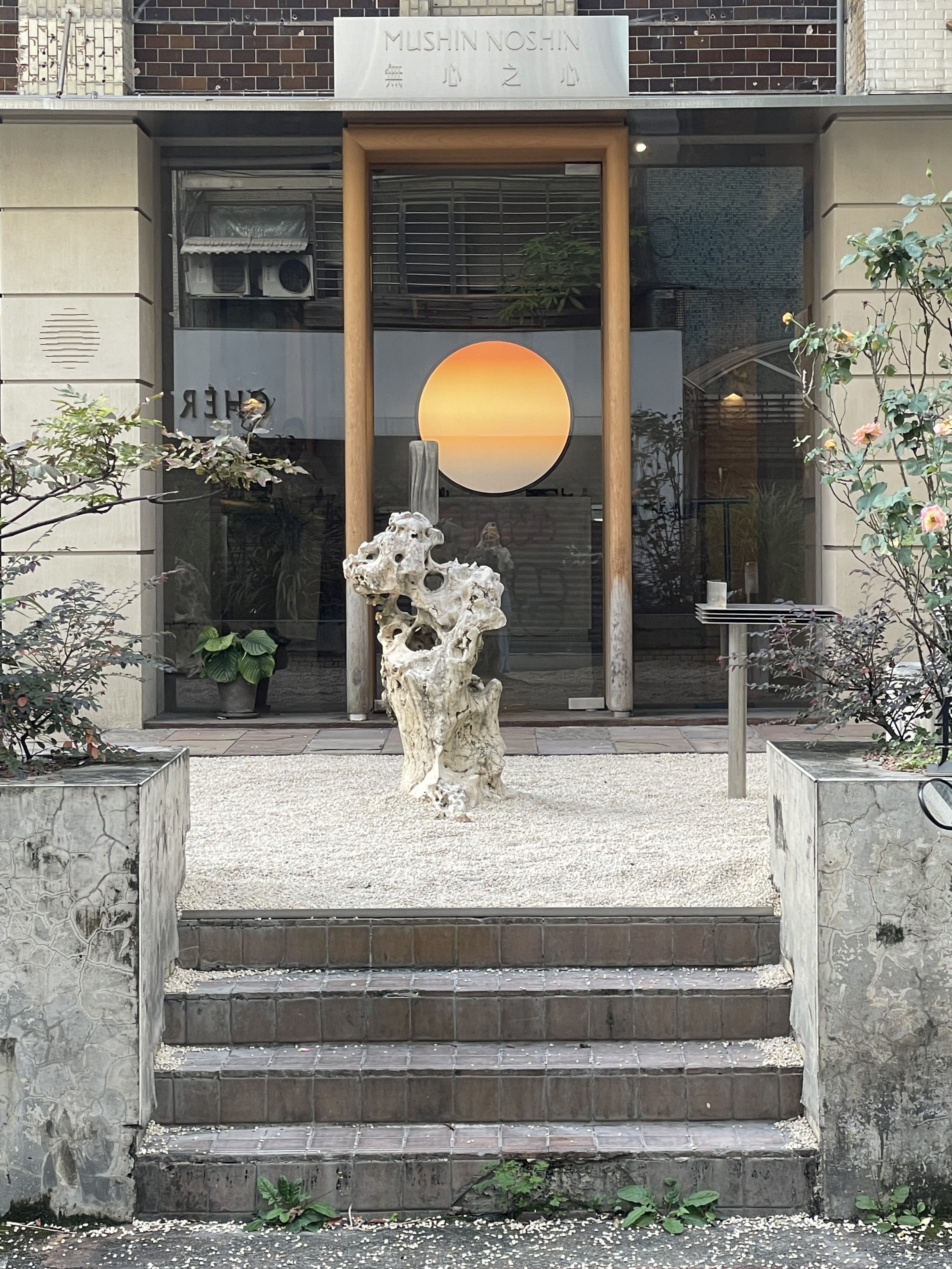
I was walking down an alley looking for the place when I stopped.
Through the glass, a large moon. Burning orange. The moment my eyes landed on it, I felt pulled inside.
This is the first and most important spatial decision MUSHIN NOSHIN made: one strong image does all the work. The moon draws you in. Everything else around it is withheld — deliberately, carefully, strategically.
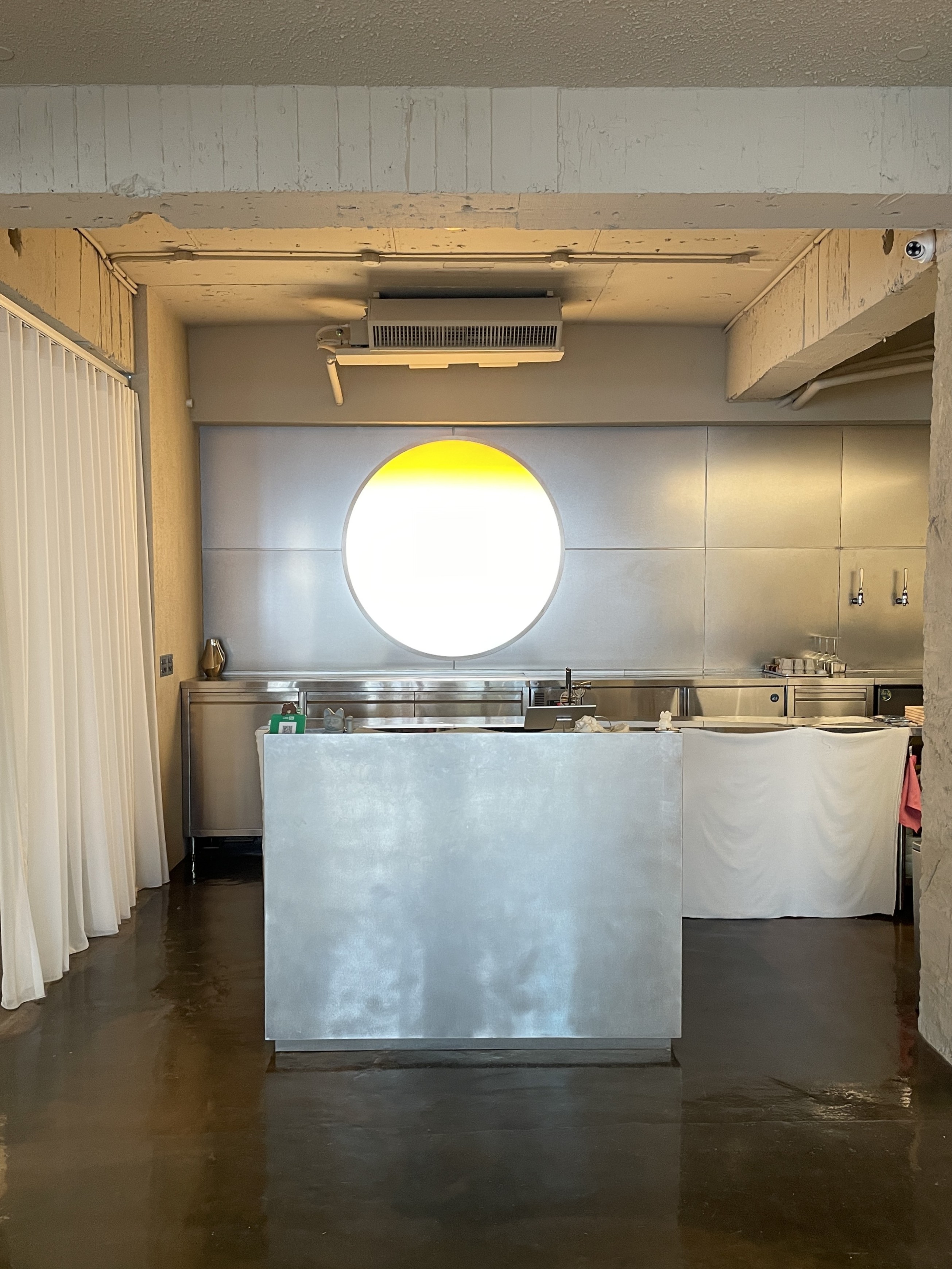
Inside, the space is quiet.
Ochre-toned columns. Exposed concrete. A clean stainless steel bar counter. Each material is strong on its own — but the space never becomes noisy. The restraint is what holds it together.
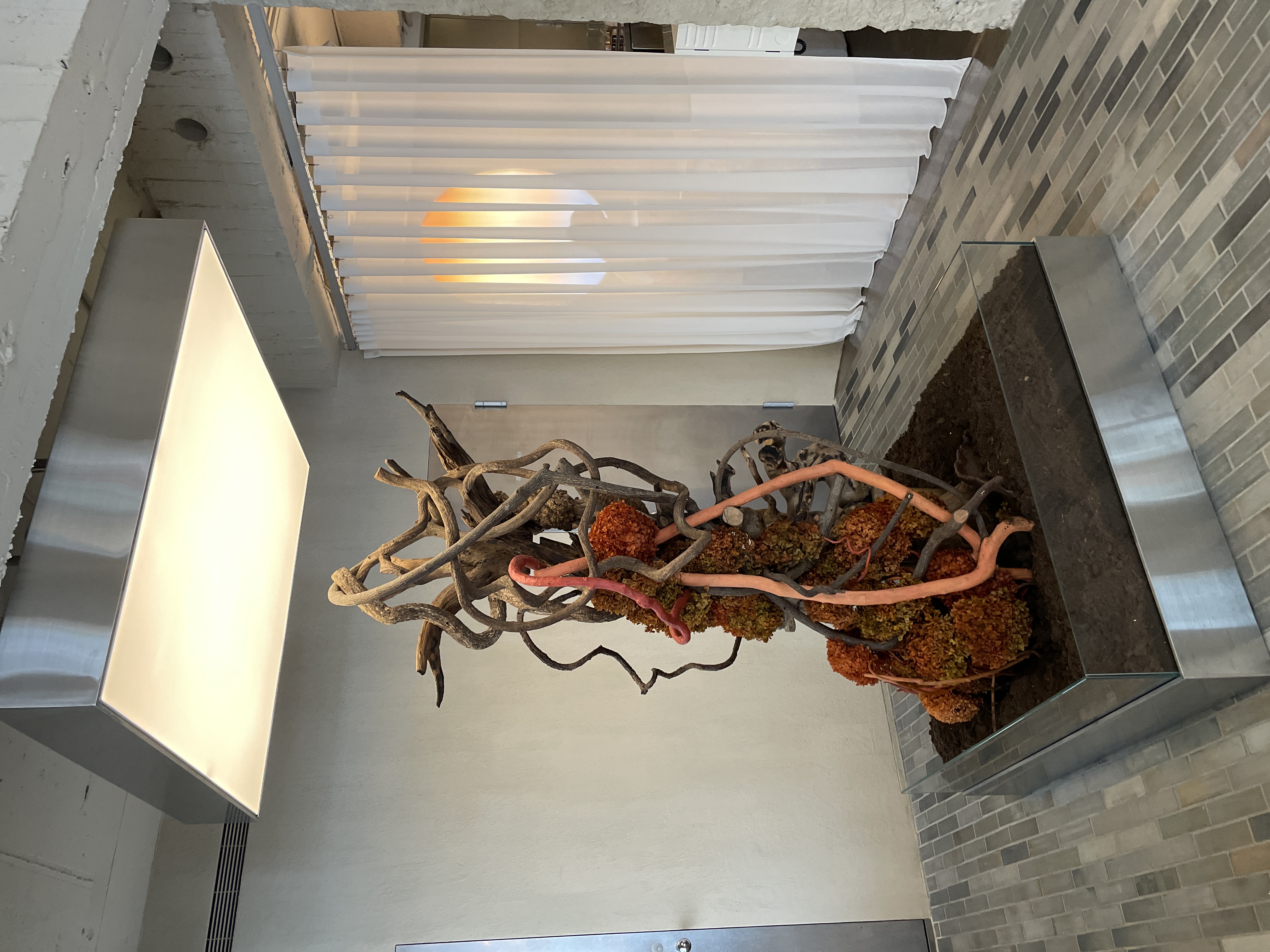
Within that restraint, objects are placed. A light. A stone. A driftwood installation with dried botanicals. Each one is positioned like a sculpture in a gallery — nothing casual, nothing accidental. The intervals are calculated. The heights are calculated. The materials are calculated.
The whole becomes a composition. The space itself is the work.
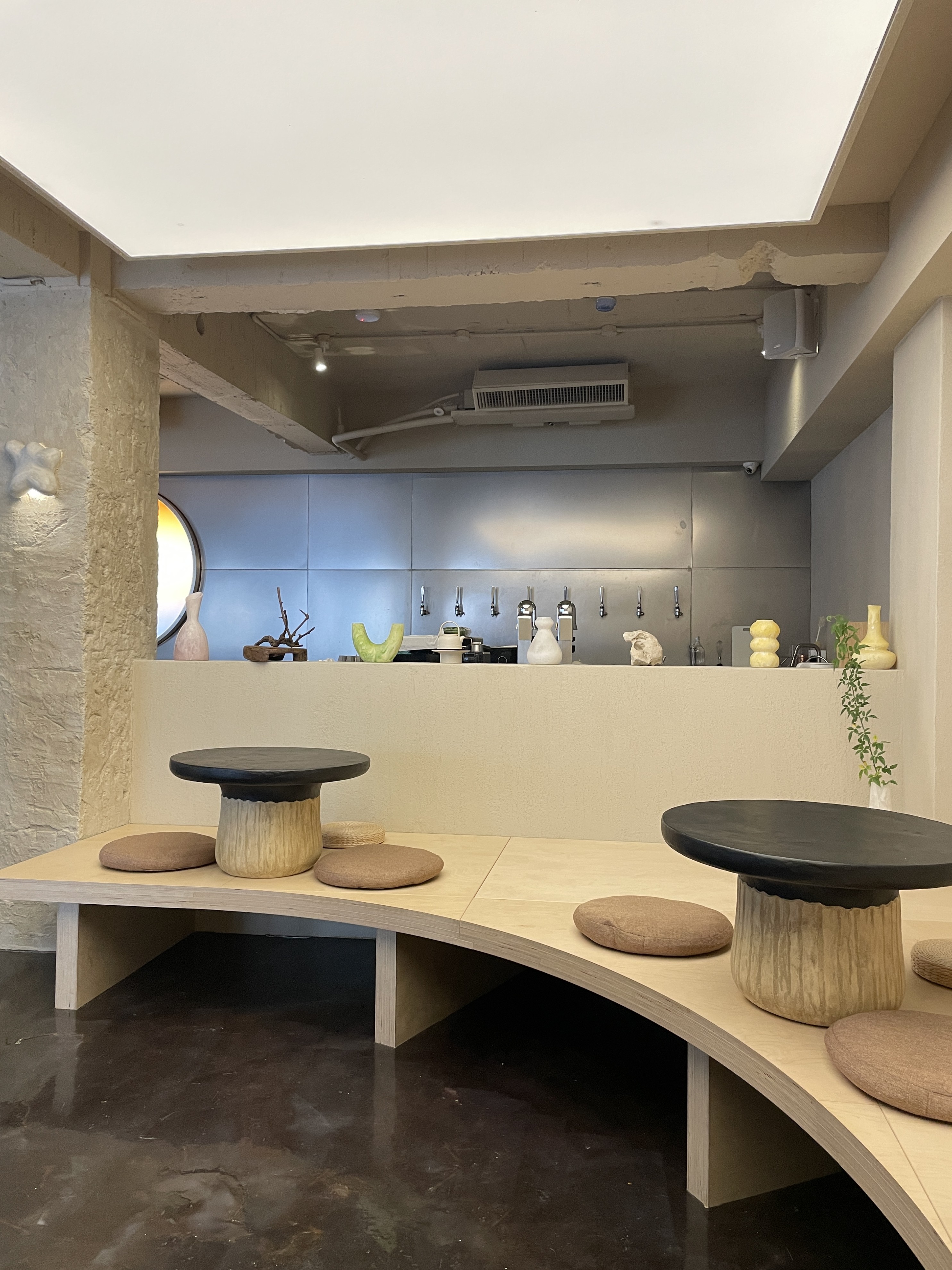
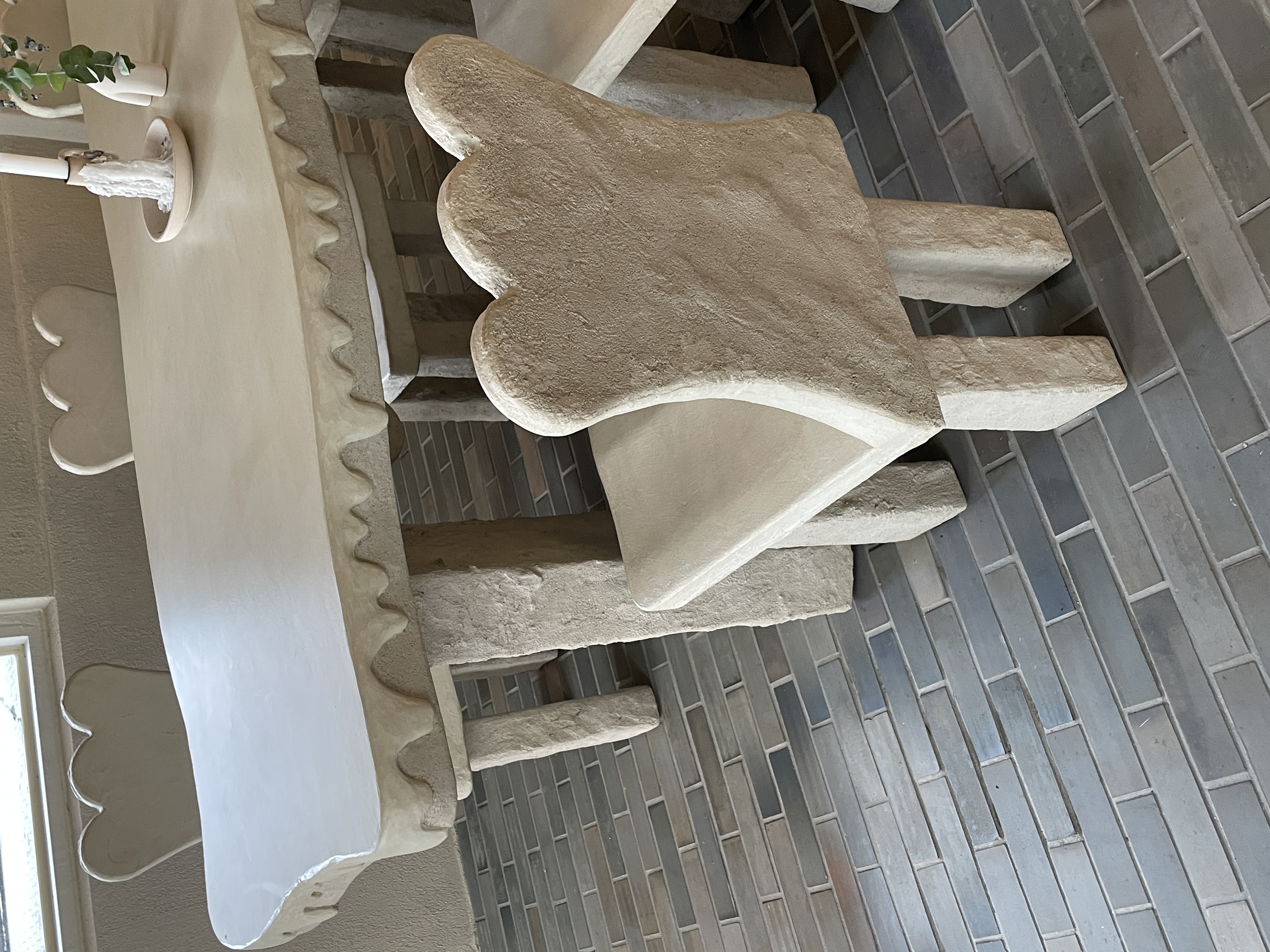
The floor seating draws you down. Your body lowers. Your eye level drops.
Only then do you notice what was always there — the stones placed in the corner, the dried flowers on the shelf, the small objects at floor level. Things you would have walked past standing up.
The space uses physical position to change what you perceive. That is the second language of this space: not what it shows you, but where it places your body so you can see it.
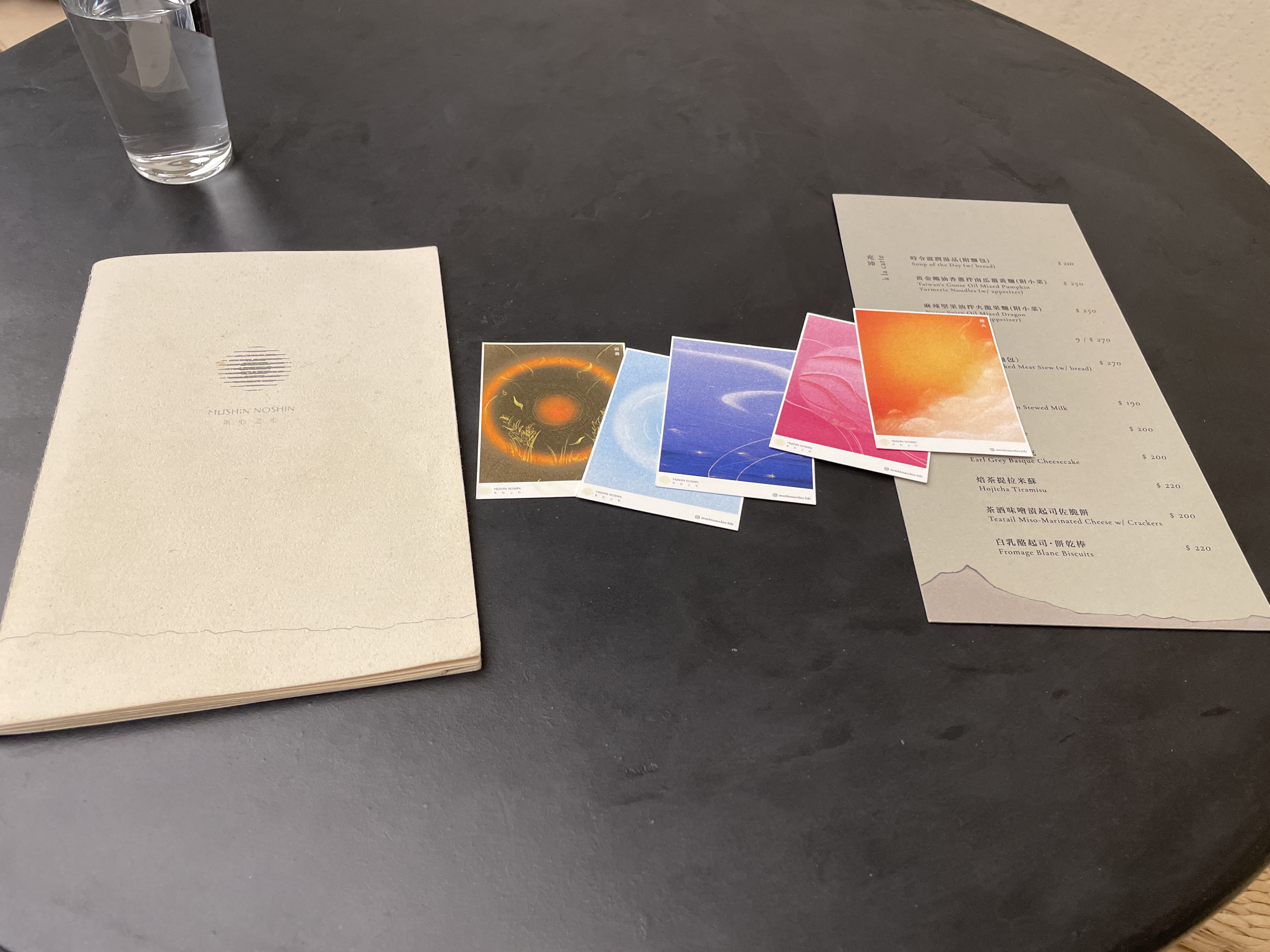
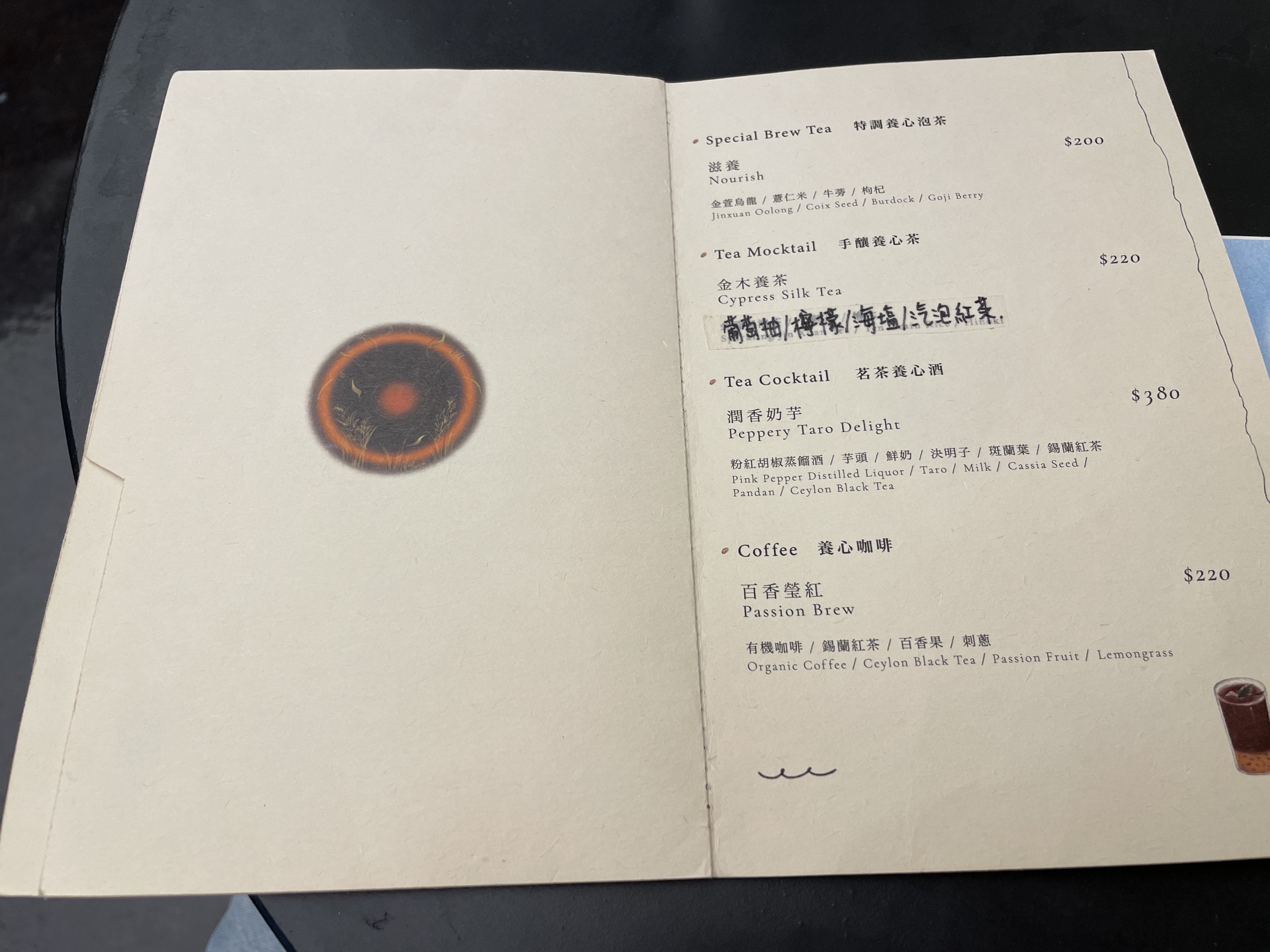
You are choosing who you are today.
Before you order, you choose a card.
An orange moon. A blue cosmos. A pink glow. A sunset. A few images, each representing a feeling. You pick the one that matches where you are today — and in doing so, you have already turned inward.
The staff receives your card and recommends a tea based on it. Your emotional state becomes your order. The choice you made about yourself becomes the experience you receive.
This is not a menu system. It is a conversation structure. The space asks a question and waits for the customer to answer — and the answer generates the experience. That depth is what separates a remarkable space from a pretty one.
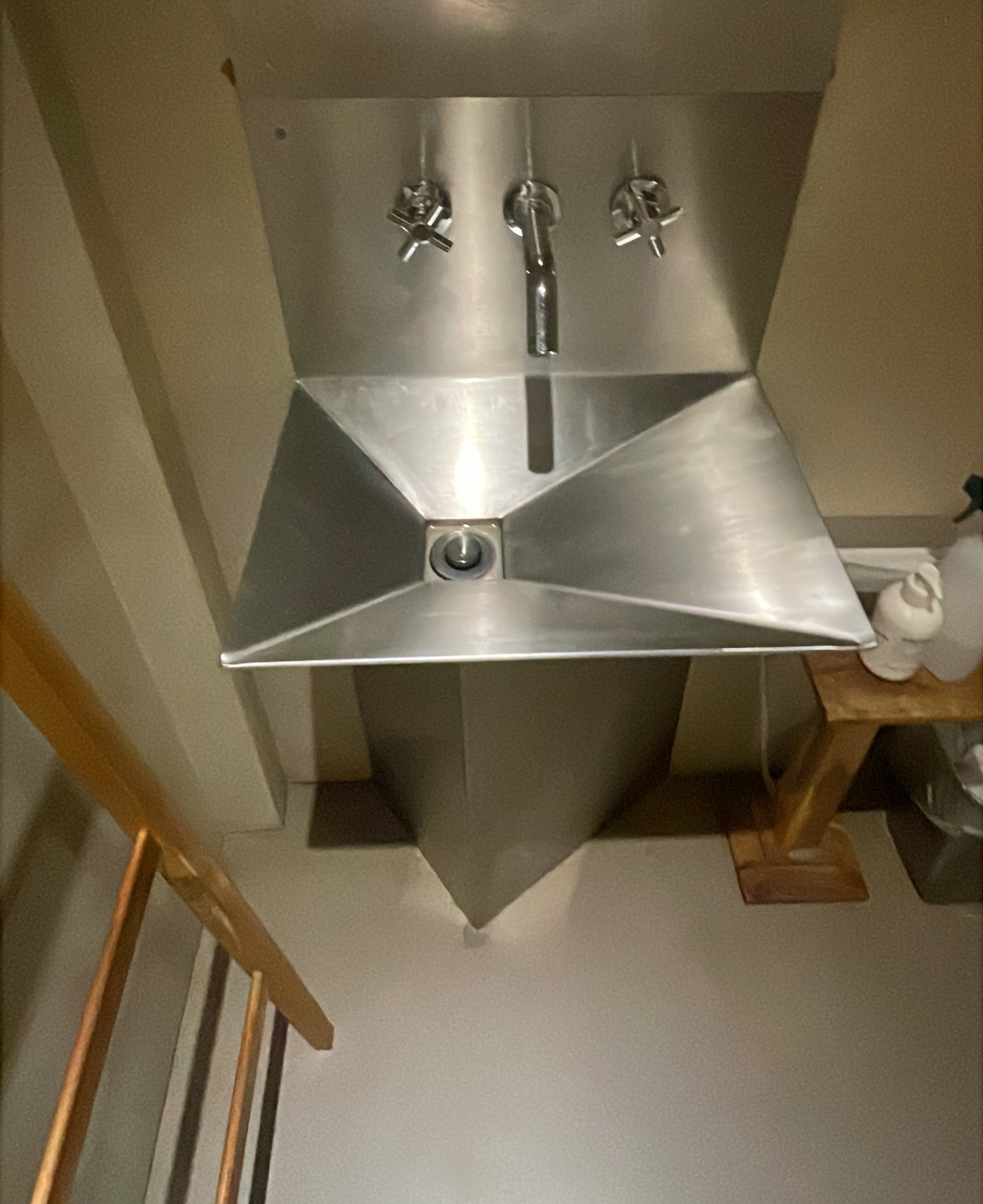
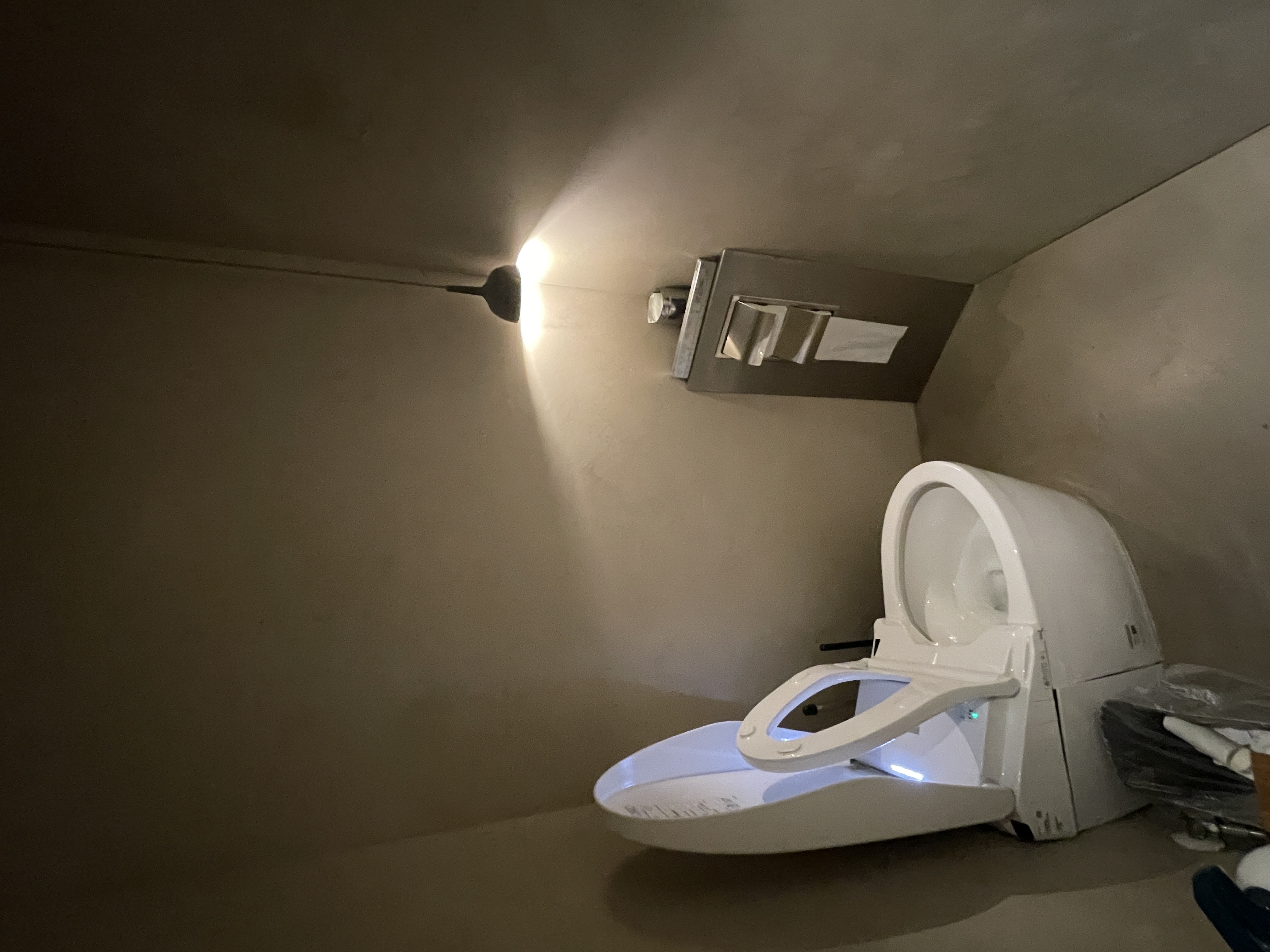
The restroom confirmed it.
One spotlight. Pointed at a single geometric stainless steel sink. The warmth of concrete on the walls. The same care, in the one place most designers stop caring about.
When the design logic of a space extends into the restroom, you know the designer did not stop anywhere. Every decision in this space was made. None of it was left to chance.
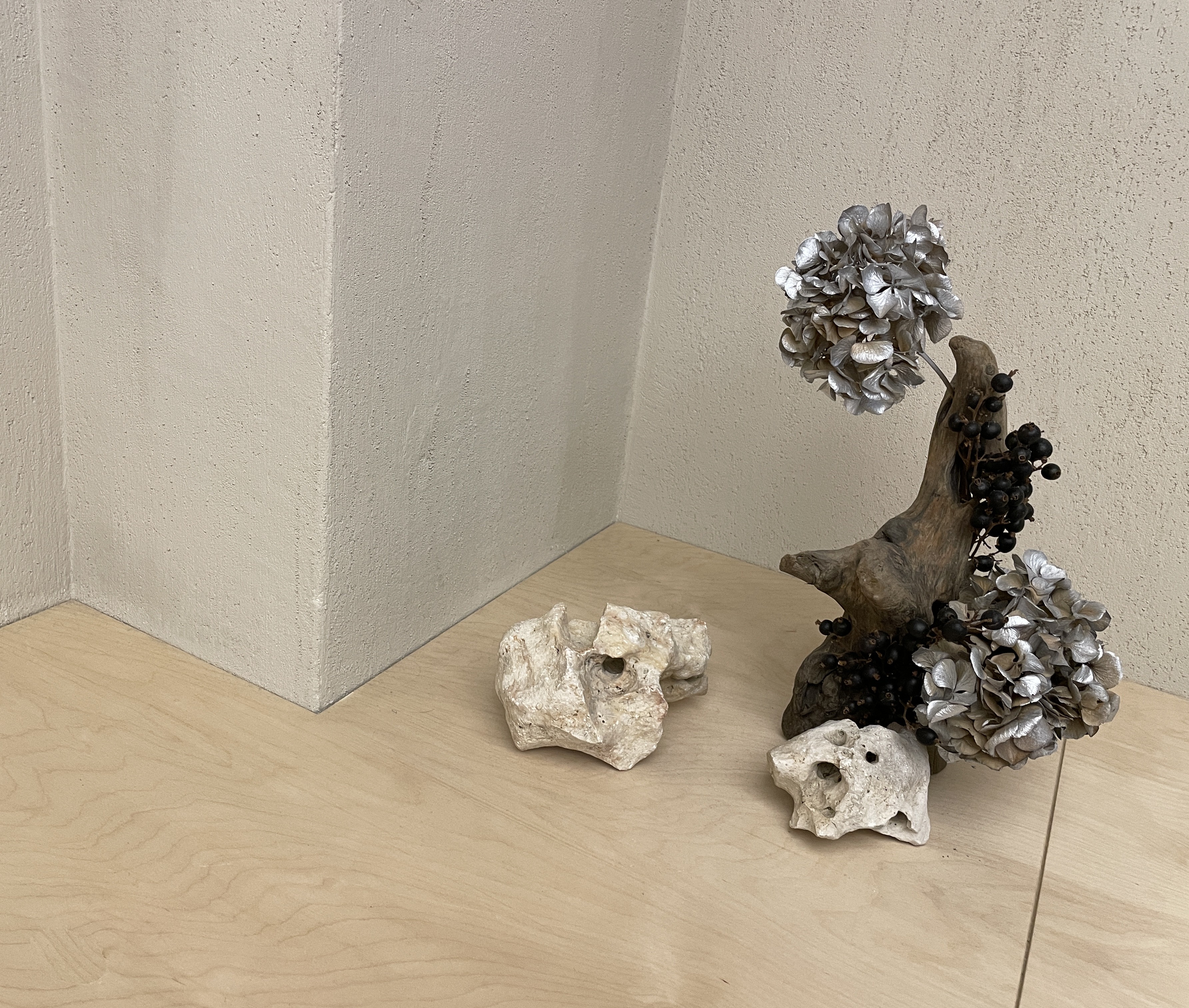
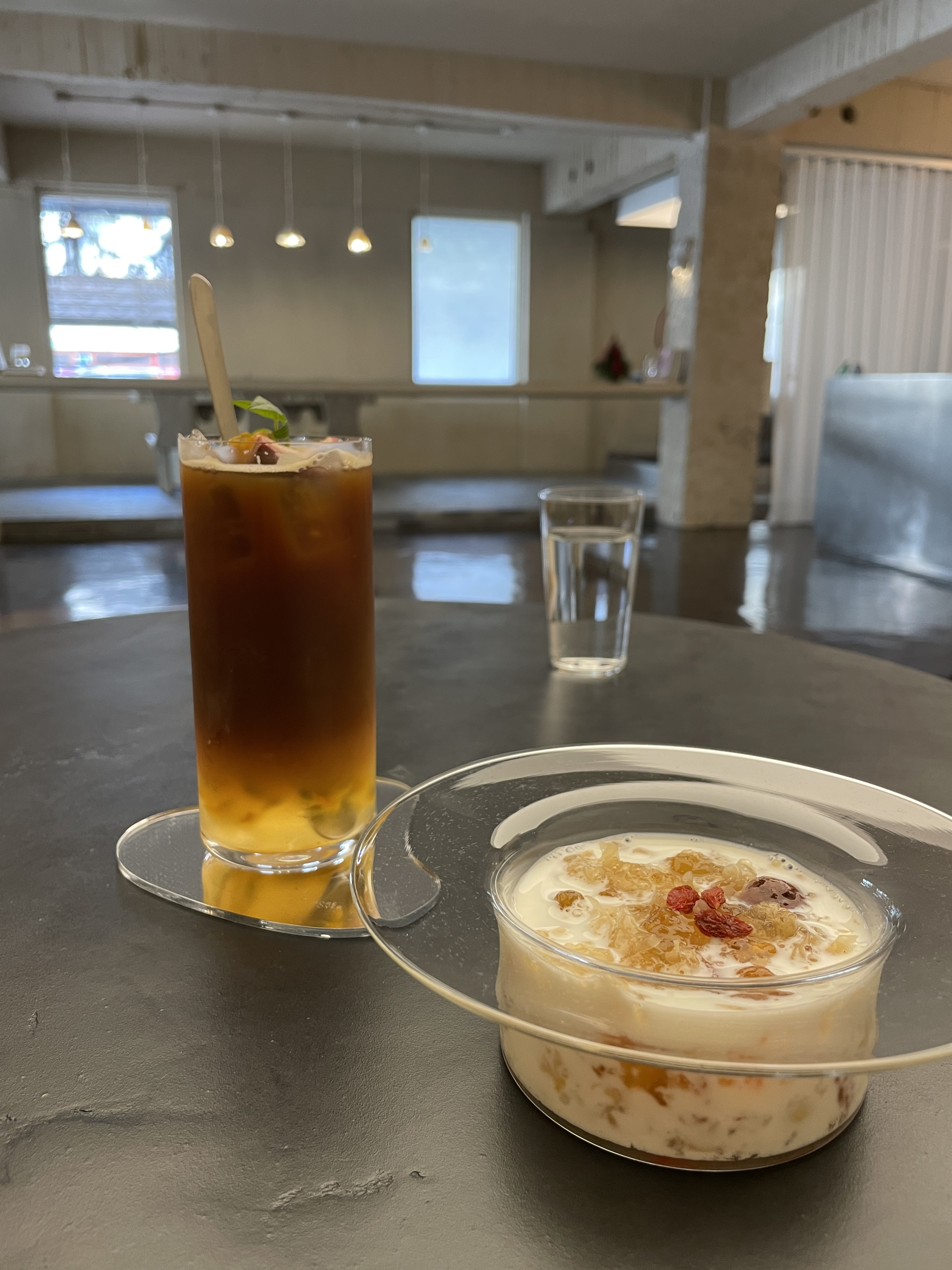
You notice it when you start taking photos: every direction composes itself.
The moon at the entrance. The bar counter. The drink on the floor table. The object in the corner. The restroom light. Every vantage point in this space was framed before you arrived. The whole space was set up this way from the beginning.
無心之心 — "The mind within no-mind." What looks emptied out is in fact entirely full.
The Eastern aesthetic of restraint — the way stripping back makes sensation sharper, not duller. One strong icon burns itself into memory. Everything else recedes. The objects are placed like sculpture. The space becomes a single work.
The space poses a sensory question. The customer responds. That response becomes the experience. MUSHIN NOSHIN proves this with every surface, every object, every card it hands you at the door.